Your Complete Guide to Moving to Panama: Residency, Real Estate & Expat Life
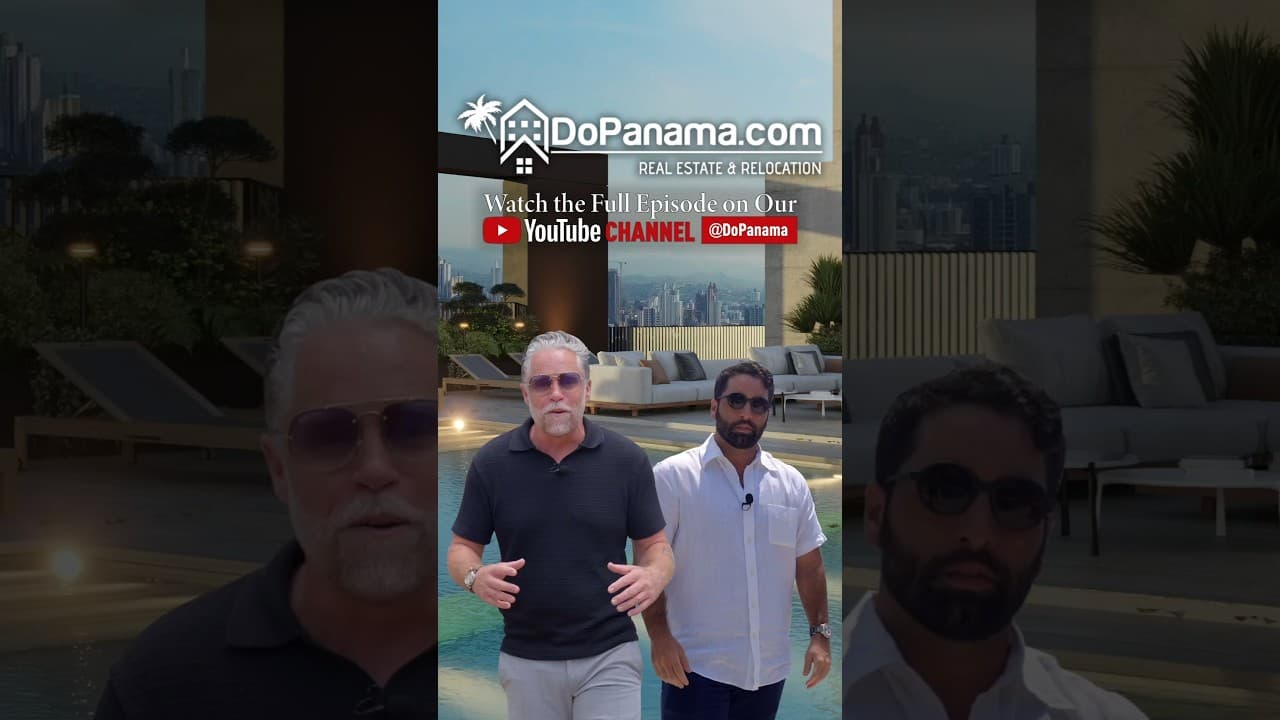
Thinking of Moving to Panama? Join us for this Special Edition, where we Flip the Script, and have a Fellow YouTube'r, Michael ...
Your Complete Guide to Moving to Panama: Residency, Real Estate & Expat Life
Moving to Panama is easier than you think, and it's becoming one of the most popular destinations for expats looking to escape the hustle and bustle of North America. Whether you're seeking retirement, a business opportunity, or simply a better quality of life, Panama offers three main residency pathways, affordable real estate investments with strong appreciation potential, and a surprisingly modern infrastructure that makes the transition smooth for newcomers.
Why Expats Are Choosing Panama Over Other Countries
Panama has exploded onto the expat scene for good reason. Austin Hess of DoPanama has watched hundreds of people make the move over the past 14 years, and the pattern is unmistakable: people are tired of the political division, stress, and safety concerns back home. What they find in Panama is something different entirely. This country doesn't have the left-versus-right fighting, the racial and class tensions, or the constant news cycle of negativity that defines life in the US these days. Instead, you get a modern city that genuinely reminds you of Chicago (minus the brutal winters), a tropical climate year-round, and a culture that's fundamentally laid-back and welcoming. The safety situation is particularly notable. According to Numbeo crime statistics, Panama City has a lower violent crime rate than major US cities like Chicago, Atlanta, and Miami. Expats consistently report feeling safer in Panama than they did in their home countries, with one caveat: use common sense. Don't walk around with cash, be aware of your surroundings, and respect local customs. Beyond safety, there's something psychological that happens when you move here. People talk about finally being able to let their hair down, to feel relaxed, to not worry about the cultural warfare that defines so much of modern American life. For many, it's the most significant life improvement they make.
Panama City has a lower violent crime rate than major US cities
Source: Numbeo Crime Index
The Three Main Residency Visas Explained
Panama makes residency accessible in ways that most countries don't. There are three primary pathways, each designed for different situations. Understanding which one fits your life is the first step in your relocation journey. The Pensioner Residency Visa is the easiest entry point if you have a retirement income. If you receive a pension (from Social Security, a private pension, military retirement, or similar) with a letter confirming you get at least 1,000 USD monthly as a single individual or 1,250 USD with a dependent, you can apply for residency without buying any property. Just bring your FBI background check and that pension letter to DoPanama's attorneys, and you'll have your temporary permanent lifetime visa in 3 to 5 days. The process to finalize your permanent ID card takes 3 to 4 months total. This is genuinely one of the fastest paths to residency anywhere in the world. Veterans with VA benefits have a special advantage here too. Not only can VA disability payments count toward the pension requirement, but Panama has two Johns Hopkins affiliate hospitals that participate in the VA program, meaning military healthcare continues seamlessly. The Friendly Nation Visa requires a 200,000 USD real estate investment or higher. Citizens of the US and Canada (plus 48 other friendly nations) qualify. You get a 2-year temporary visa that converts to a lifetime visa after that period. This is popular with people who want to buy property and have some time to decide if Panama is truly home. The Qualified Investor Visa requires a 300,000 USD investment and is available to anyone from any country in the world. The advantage here is that it's a one-step process. You invest, you get your lifetime residency immediately. There's no conversion period. It's what many people call the red carpet visa because there's zero ambiguity. Non-residents can own property in Panama immediately without residency status, making it possible to invest in real estate while you're still figuring out the visa process.
3 to 5 days to receive temporary residency under the Pensioner Visa
Source: DoPanama Real Estate & Relocation
Real Estate Investment: Buy Now or Rent First?
This is the question that keeps most potential expats up at night. Should you buy immediately or test the waters with a rental first? The honest answer is that it depends on your personal situation, but Austin Hess will tell you what he's seen work best after watching the market for over a decade. If you have the capital and you're serious about the move, buying now could be one of your best financial decisions. Property appreciation in Panama has been substantial, and it's accelerating. The reason is simple: demand is outpacing supply. Expats from the US and Canada are moving here. French expats are moving here. German, UK, Australian, and expats from Trinidad and Tobago are all buying simultaneously. That increased competition for limited inventory pushes prices up. If you wait two years renting to make absolutely sure you love it, you might miss significant appreciation gains. That said, renting for 6 months to a year makes sense if you want to explore different neighborhoods and build a feeling for where you actually want to live long-term. Many people move to a short-term rental in Costa del Este or Casco Viejo, spend a few months living like a local, then buy the perfect property once they know their neighborhood deeply. The legal Airbnb opportunity deserves special attention. Panama implemented a 45-day minimum rental law to support its tourism and convention center development. This created a unique opportunity: you can buy units in buildings registered as condo hotels, then legally rent them on Airbnb for short-term stays. This creates dual income potential. You can generate tourism season income while living in Panama, or rent it out year-round while you're establishing yourself. Some projects handle property management in-house, while others let you manage independently. The in-house model typically makes more sense because it maintains building consistency and protects property values.
Panama real estate shows consistent year-over-year appreciation
Source: International Living & Panama Real Estate Market Data
Costa del Este: The Miami of Panama City
When you ask Austin where expats are actually moving, one neighborhood comes up constantly: Costa del Este. This is the heart of modern Panama City real estate, and it's not hard to see why. Costa del Este is a pre-planned neighborhood that looks and feels different from the rest of the city. Power lines are underground. Sidewalks are built to US standards. Streets are clean and organized. The architecture is contemporary. More importantly, all the multinational companies are headquartered here. We're talking banking giants, tech companies, international corporations. This means renters aren't seasonal tourists. They're 365-day corporate employees. That stable rental demand makes properties here excellent for ROI purposes. The neighborhood sits in the sweet spot geographically. It's 8 to 10 minutes from downtown Panama City and the restaurants and nightlife of Casco Viejo, but 15 minutes in the opposite direction puts you at the international airport. You also have Johns Hopkins affiliate hospitals and medical offices in the area, which drives medical tourism income. Costa del Este has become the go-to for expats who want the city lifestyle, modern amenities, reliable short-term rental income, and long-term appreciation potential. It's not the cheapest neighborhood, but the fundamentals are sound.
Costa del Este is home to the majority of Panama's multinational company headquarters
Source: DoPanama Real Estate & Relocation
Cost of Living: How Far Does Your Money Go?
One of Panama's biggest appeals is the cost of living advantage. According to Numbeo, Panama City is approximately 35-40 percent cheaper than major US cities like Miami, New York, or Los Angeles. Your daily expenses will be noticeably lower. An Uber ride across Panama City costs around 3.17 USD on average. That same trip in a US city runs 25 to 30 USD. If you're someone who doesn't enjoy driving, the cheap Uber situation alone changes your cost equation dramatically. Groceries are affordable. Dining out is affordable. Healthcare is world-class and costs a fraction of US prices. A typical expat family can live comfortably on 1,500 to 2,500 USD monthly if you're in an apartment and living a normal lifestyle. That number goes up if you want to live in high-end neighborhoods or maintain an American lifestyle, but the baseline is genuinely achievable. Utilities are inexpensive. Internet service is fast and cheap. The financial math works out to where many expats are able to save money while living a better lifestyle than they had back home. This isn't about sacrificing; it's about getting more for less.
Average Uber ride in Panama City costs 3.17 USD compared to 25-30 USD in major US cities
Source: DoPanama Real Estate & Relocation
Schools, Healthcare & Infrastructure for Expat Families
If you're moving with kids or planning to have children in Panama, the educational infrastructure is solid. There are excellent private international schools throughout Panama City, including the mountainous inland regions and beach towns. Many expats place their children in private schools to maintain English instruction while giving kids the chance to learn Spanish naturally. Younger children pick up Spanish remarkably fast when they're immersed in a multilingual environment. The public Panamanian school system is an option too if you want full Spanish immersion and cultural integration. Healthcare is genuinely impressive. Panama has multiple Johns Hopkins affiliated hospitals, which means you're getting world-class medical care at Central American prices. Specialists, diagnostic imaging, dental work, cosmetic procedures, and routine care all cost significantly less than in the US. Many expats actually use Panama as a medical tourism destination, combining procedures with vacation time. The infrastructure overall is modern. The Panama Canal connection means the country has always invested in quality infrastructure. Roads are generally good. Internet is fast and reliable. The airport is modern and efficient. Utilities are dependable. It's not a developing-world experience. It feels like a developed country with tropical weather and lower costs.
Two Johns Hopkins affiliate hospitals operate in Panama with full specialty medical services
Source: DoPanama Real Estate & Relocation
Transportation & Getting Around
You can buy any car you want in Panama. Want a Honda? Done. Want a BMW, Audi, Ferrari, or Bentley? Panama has dealerships for all of it. Import duties make cars more expensive than in the US, but the selection is complete. Many expats do buy cars, especially if they want to explore beyond the city. But many choose not to. Public transportation through Uber and traditional taxis is so affordable that car ownership becomes optional rather than necessary. Driving in Panama City requires some adjustment. The driving style is aggressive by US standards. Traffic rules are treated more as suggestions than requirements. But it works. People navigate it. If you're comfortable with lively urban driving, having a car opens up the entire country. You can drive to Coronado beach, to mountain towns like Boquete, to the Caribbean islands. Without a car, you're limited to areas you can reach by Uber or organized tours. The transportation ecosystem is flexible enough that you can make your own choice based on your comfort level and lifestyle preferences.
Average Uber cost of 3.17 USD per ride makes car ownership optional for city residents
Source: DoPanama Real Estate & Relocation
The Full-Service Advantage: More Than Just Real Estate
What separates DoPanama from typical real estate brokers is that the company functions as a complete relocation partner. Sure, you can find real estate agents anywhere. But DoPanama has built relationships with the best attorneys, pet relocation specialists, school administrators, doctors, and remodelers in the country. Austin Hess has spent years building these connections specifically to solve expat problems. Found the perfect condo but hate the kitchen? DoPanama connects you with American Standard builders and remodelers who understand North American expectations. Want to bring your dog or cat? DoPanama works with the most careful pet relocation companies to ensure your animals arrive safe and healthy. Need recommendations for which school is best for your kid's learning style? Austin has personal relationships with school administrators and can guide you toward the right fit. Need a lawyer for visa paperwork? DoPanama's in-house legal team, headed by Nalini Navarro Guardia, handles it. This integration matters because moving to another country involves hundreds of small decisions. When you have one trusted partner who has already vetted all the vendors and service providers, your risk drops dramatically. You're not Googling random contractors and hoping for the best. You're working with people Austin personally recommends. DoPanama also uses a network model rather than keeping all properties exclusive. Brokers throughout Panama can list their properties on DoPanama's platform. This means when you work with Austin and the team, you're not limited to one company's inventory. You get access to properties from 7 to 10, sometimes 15 different real estate companies across the country. That breadth of choice is genuinely unusual and beneficial.
DoPanama maintains relationships with attorneys, healthcare providers, schools, and contractors throughout Panama
Source: DoPanama Real Estate & Relocation
Moving to Panama isn't just a real estate transaction. It's a lifestyle upgrade. You get a modern country with tropical weather, world-class healthcare at Central American prices, a welcoming culture that feels fundamentally different from the political division and stress of North America, and real estate investment potential with solid appreciation fundamentals. The residency process is straightforward. The cost of living advantage is real. The neighborhoods are diverse, from the modern pre-planned Costa del Este to the bohemian charm of Casco Viejo to mountain towns and beach communities. Whether you're looking to retire, relocate your family, start a business, or simply escape the hustle and find a better life, Panama has proven it can deliver. If you're genuinely considering the move, don't wait two more years researching. Talk to specialists who understand both Panama and the expat experience. Contact DoPanama at +507 6443-3341 to discuss your specific situation. Austin Hess and the team have helped hundreds of people make this transition successfully. Your next chapter could start today.
Expert Insights
“I've never felt more safe in my entire life. I've been here almost 14 years. Yeah, of course, don't be stupid, you know? Don't be running around with $10,000 cash. But yes, definitely one of the safest places I've ever lived.”
— Austin Hess, COO of DoPanama Real Estate & Relocation
“With the friendly nations, there's a 2-year temporary that converts to a lifetime. With the qualified investor, you get it and that's it. So again, with the qualified investor, it's just easier.”
— Austin Hess, COO of DoPanama Real Estate & Relocation
“The more people that are buying, the less opportunities there are on the market. Appreciation values go up. So, if you are serious about this move, buying real estate right now could really give you a lot of value 3, 5, 10 years later with that appreciation.”
— Austin Hess, COO of DoPanama Real Estate & Relocation
Frequently Asked Questions
What are the visa requirements for Americans moving to Panama?
Americans can qualify for three main residency visas. The Pensioner Visa requires a pension of at least 1,000 USD monthly (1,250 USD with a dependent) and is processed in 3-5 days. The Friendly Nation Visa requires a 200,000 USD real estate investment and provides a 2-year temporary visa converting to lifetime status. The Qualified Investor Visa requires 300,000 USD investment and grants immediate lifetime residency. All three are accessible pathways.
Is Panama safe for expats?
Yes, Panama is notably safe. According to Numbeo crime data, Panama City has lower violent crime rates than major US cities like Chicago, Atlanta, and Miami. Expats consistently report feeling safer than in their home countries. Use common sense like you would anywhere, avoid carrying large amounts of cash, and be aware of your surroundings, but the overall safety situation is genuinely excellent.
How much does it cost to live in Panama as an expat?
Panama is approximately 35-40 percent cheaper than major US cities. A typical expat family can live comfortably on 1,500 to 2,500 USD monthly. An Uber ride costs around 3.17 USD. Groceries, dining, healthcare, and utilities are all significantly less expensive than in the United States, allowing you to maintain or improve your lifestyle for less money.
Can non-residents buy property in Panama?
Yes, non-residents can buy property in Panama immediately without residency status. You can also open a bank account as a non-resident. This means you can invest in real estate while you're still exploring your visa options or before you've committed to permanent relocation.
What neighborhoods do expats prefer in Panama City?
Costa del Este is the most popular neighborhood for expats, offering modern infrastructure, proximity to multinational company headquarters (providing stable rental income), and convenient location near downtown and the airport. Other popular areas include Casco Viejo for bohemian charm, with additional options in mountain towns and beach communities depending on lifestyle preferences.
Should I rent or buy when moving to Panama?
It depends on your situation. If you're serious about staying, buying now could provide significant appreciation over 3-5 years as demand increases. If you're uncertain, renting for 6-12 months to explore neighborhoods makes sense. Many expats rent short-term initially, then buy once they know where they want to live long-term. The real estate market is appreciating, so delaying too long could mean missing gains.
What schools are available for expat children in Panama?
Panama has excellent private international schools throughout the country, including in Panama City, mountain towns, and beach areas. Many offer bilingual English-Spanish education, allowing children to maintain English while learning Spanish naturally. The public Panamanian school system is also an option if you prefer Spanish immersion. DoPanama can connect you with school administrators to find the best fit for your child's needs.
Is healthcare good in Panama?
Yes, healthcare in Panama is world-class and affordable. The country has two Johns Hopkins affiliate hospitals with full specialty services, and costs are 40-60 percent lower than US hospitals. Many expats use Panama for medical tourism, combining procedures with vacations. Healthcare quality rivals developed countries while prices reflect Central American economics.
Key Statistics
Panama City is approximately 35-40 percent cheaper than major US cities for cost of living
Source: Numbeo Cost of Living Database (2024)
Average Uber ride in Panama City costs 3.17 USD compared to 25-30 USD in major US cities
Source: DoPanama Real Estate & Relocation Client Data (2024)
Pensioner Residency Visa processed in 3 to 5 days for temporary approval
Source: DoPanama Real Estate & Relocation (2024)
Panama City has lower violent crime rates than Chicago, Atlanta, and Miami
Source: Numbeo Crime Index (2024)
50 countries qualify for the Friendly Nation Visa in Panama
Source: Panama Immigration Authority (2024)
Two Johns Hopkins affiliate hospitals operate in Panama with specialty medical services
Source: DoPanama Real Estate & Relocation (2024)
Costa del Este sits 8-10 minutes from downtown Panama City and 15 minutes from international airport
Source: DoPanama Real Estate & Relocation (2024)
Locations Mentioned
Ready to Start Your Journey?
Let our team help you find your perfect home in Panama.
Related Articles
 Article
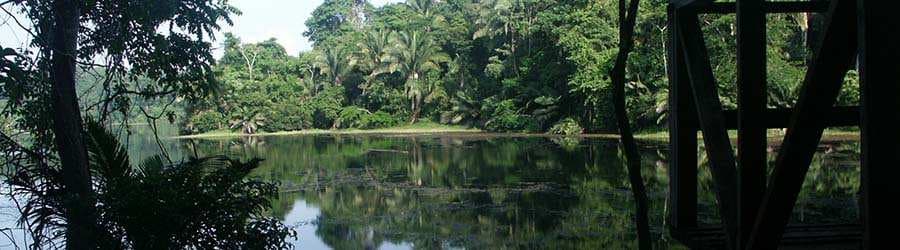
Metropolitan Natural Park: Your 265-Hectare Urban Jungle Adventure Minutes from Downtown Panama City
Metropolitan Natural Park in Panama City spans 265 hectares with 220 documented bird species and 45 mammal species, making it Central America's largest urban park. Research shows the park creates microclimates 2-3°C cooler than surrounding areas, directly benefiting nearby neighborhoods like Clayton, Albrook, and Ancon—where Panama City real estate commands premium prices due to this unique combination of urban convenience and pristine tropical forest access.
 Article
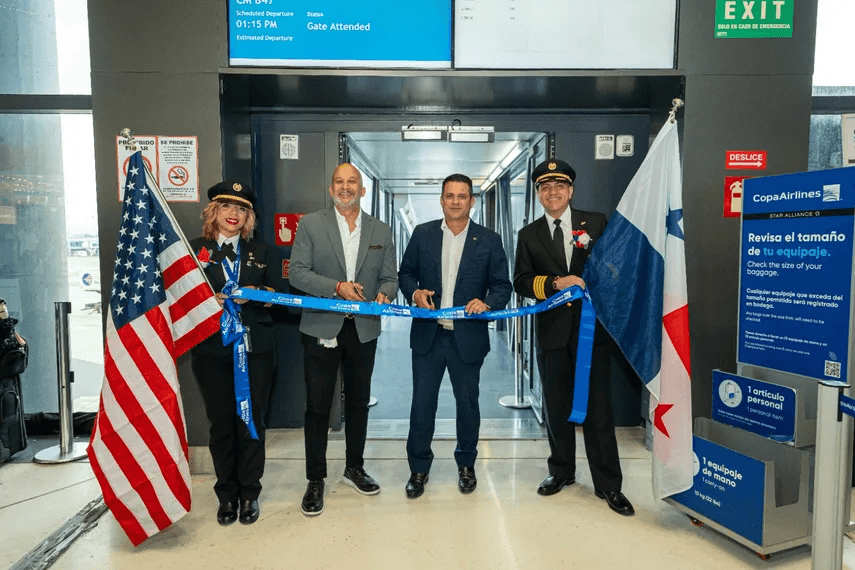
Copa Airlines Panama-San Diego Route: Revolutionary Gateway for Expats and Investors in 2025
Copa Airlines launched direct flights between Panama City and San Diego on June 25, 2025, operating four times weekly with Boeing 737 MAX 9 aircraft, creating the first non-stop connection between Southern California and Central America's premier expat destination with over 313,000 American residents.
 Article
DoPanama YouTube Channel Reaches 50,000+ Subscribers, Becoming Panama's Leading Expat Relocation Authority
DoPanama Real Estate's YouTube channel has over 50,000 subscribers and 864,200 monthly views, making it Panama's leading digital resource for expat relocation and investment guidance, with comprehensive coverage of visa procedures, real estate markets, and lifestyle insights across all major expat destinations.
 Video
VideoDoPanama #SilverBay
PH Silver Bay is a modern, smart residential real estate project currently in the pre-construction phase, located in the exclusive ...
 Video
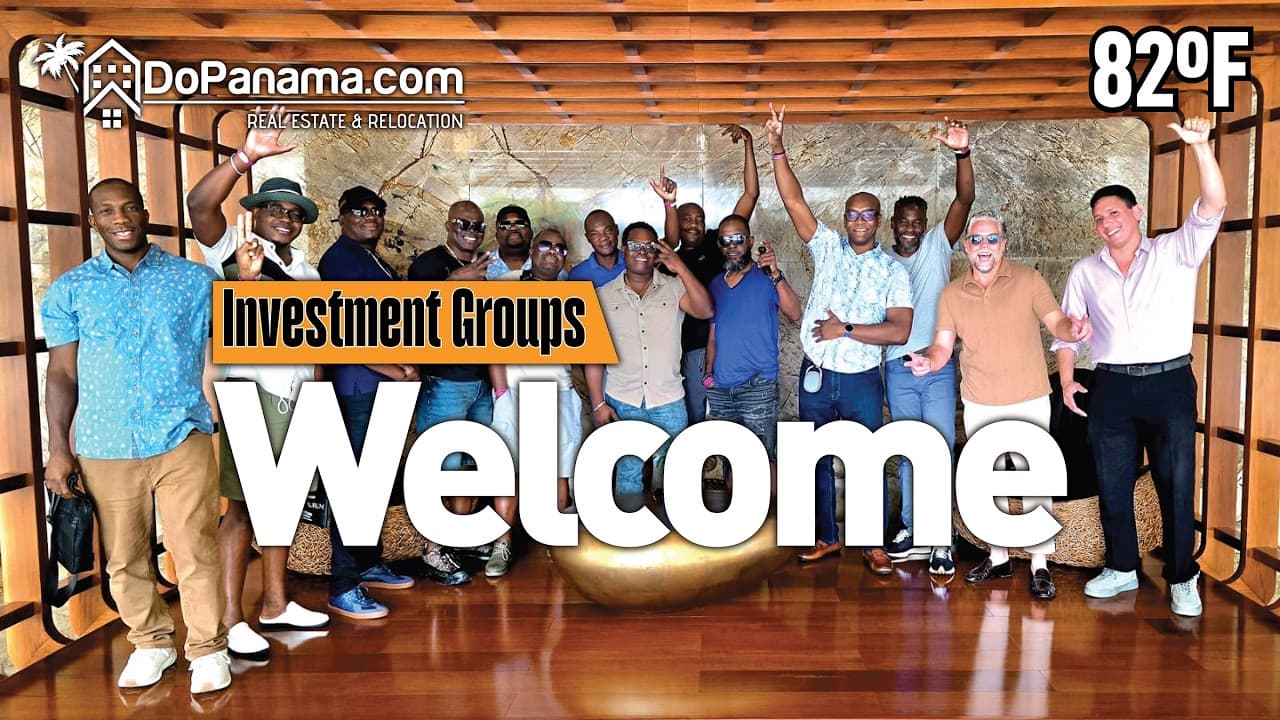
VideoInvestment Groups Welcome | Do Panama Real Estate & Relocation
In Panama, making high-value real estate investments is very easy, and they can be done either individually or as a group.
 Video
VideoDoPanama #TribuBuilding
P.H. Tribu is a different concept with a mixed-use component and a mix of amenities and services that will add value to the ...
Own Property in Panama?
List it in minutes and reach international buyers through our platform.