Metropolitan Natural Park: Your 265-Hectare Urban Jungle Adventure Minutes from Downtown Panama City

DoPanama Team
Metropolitan Natural Park: Your 265-Hectare Urban Jungle Adventure Minutes from Downtown Panama City
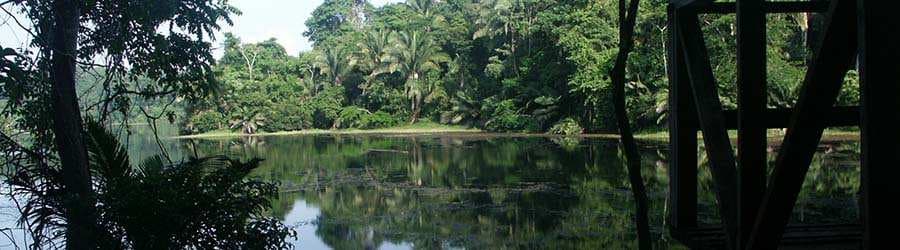
Metropolitan Natural Park in Panama City spans 265 hectares of pristine tropical forest right in the heart of Central America's most dynamic capital - making it the largest urban park in the entire region. Here's what makes this extraordinary: you can spot three-toed sloths and toucans during your morning hike, then be sipping coffee in a gleaming financial district skyscraper twenty minutes later. For expats considering Panama City real estate, this park represents something you simply won't find in most Latin American capitals - a genuine rainforest ecosystem thriving alongside world-class urban development, complete with 220 documented bird species and 45 mammal species calling this urban oasis home.
Central America's Largest Urban Wildlife Sanctuary (And It's Absolutely Spectacular)
Let's get real about what makes Metropolitan Natural Park (Parque Natural Metropolitano) so special. This isn't some manicured city park with a few trees and squirrels. We're talking about 265 hectares of legitimate tropical dry forest - one of the last remaining patches of Pacific tropical forest along the Panama Canal corridor - situated right within Panama City's metropolitan boundaries.
The park features five exceptionally well-maintained hiking trails ranging from easy 30-minute strolls to challenging 3-hour treks through dense canopy. The most popular routes include Sendero La Cienaguita (perfect for families and beginners) and Sendero Los Momótides (where serious birders congregate at dawn). Two observation towers offer absolutely breathtaking panoramic views where you can see Panama City's modern skyline, the historic Panama Canal operations, and the shimmering Pacific Ocean all in a single sweeping vista.
What most people don't realize is how the park functions as the literal 'green lung' of this rapidly growing capital of 1.5 million residents. The visitor center provides outstanding educational programs in both Spanish and English, specifically designed for Panama's thriving international community. For families relocating to Panama with children, this is pure gold - your kids can experience authentic tropical wildlife, learn about rainforest ecology, and develop a genuine connection to Panama's natural heritage without ever leaving the city.
The best part? Properties in nearby neighborhoods like Clayton, Albrook, and Ancon command premium prices precisely because of their proximity to this natural treasure. Smart expats looking at Panama City real estate often prioritize access to the park as a major quality-of-life factor.
265 hectares of protected urban forest serving 1.5 million residents
Source: Panama's National Authority for the Environment (ANAM)
The Wildlife Will Blow Your Mind (Yes, Really)
Here's the thing that absolutely stuns first-time visitors: the biodiversity statistics here rival many dedicated national parks across Central America. Scientists have documented 220 bird species within the park boundaries - that represents approximately 22% of Panama's entire avian diversity packed into just 0.35% of the country's land area. Think about that ratio for a second.
During my regular visits with clients exploring Panama City homes for sale in the surrounding neighborhoods, we've spotted trogons (those impossibly colorful birds that look photoshopped), toucans with their oversized rainbow beaks, squawking parrots, and over 20 different species of hummingbirds darting through the canopy. The mammalian diversity includes 45 documented species, with commonly spotted animals including both two-toed and three-toed sloths (hanging out exactly where you'd expect them - not moving much), white-nosed coatis (adorable raccoon relatives), agoutis (large rodents that look like rabbits crossed with guinea pigs), and Geoffrey's tamarins (tiny, charismatic primates).
The park also supports 36 reptile species, 14 amphibian species, and literally hundreds of insect varieties, making it a living laboratory for tropical ecology. Local universities regularly conduct research here, and you'll often see student groups with clipboards documenting species behavior.
What makes the wildlife viewing truly exceptional is the park's strategic location along the Pacific migratory corridor. During migration periods - particularly October through November and again March through April - you can observe North American species (warblers, tanagers, flycatchers) alongside resident tropical birds. Serious birders travel internationally just for these migration windows, but if you're living in Panama City real estate near the park, it's just a Tuesday morning.
According to the Audubon Society Panama, the park hosts regular 'Christmas Bird Count' events where participants routinely identify 100+ species in a single day. Try doing that in most major world capitals.
220 bird species documented, representing 22% of Panama's total bird diversity
Source: Audubon Society Panama
Programs, Social Connections, and Why Expats Keep Coming Back
The park's environmental education center has really figured out how to serve Panama's booming international community. They offer bilingual programs specifically designed for expats - monthly guided night walks (bring a flashlight and prepare for incredible nocturnal wildlife), weekend family programs perfect for children, and specialized birdwatching tours led by expert naturalists who can identify species by their calls alone.
For retirees choosing to live in Panama and families relocating to Panama City, the park provides something rare: immediate access to genuine nature-based recreation without needing a car or dedicating your entire weekend. The main trail system accommodates all fitness levels, with paved sections that can handle wheelchairs and strollers. Early morning visits between 6:00 and 8:00 AM offer the absolute best wildlife viewing (animals are most active) and significantly cooler temperatures - crucial in tropical Panama.
But here's what nobody tells you in the guidebooks: the park has evolved into a genuine social hub for Panama's expat community. Regular photography groups meet to capture sunrise shots from the observation towers. Bird watching clubs organize weekend outings where newcomers learn from experienced residents. Environmental volunteer opportunities provide meaningful ways to give back while making authentic connections with both locals and fellow internationals.
According to Metropolitan Natural Park Administration data, the park welcomes over 50,000 annual visitors, with approximately 30% being international residents. That growing expat participation demonstrates the park's central role in Panama's international community integration. When you're exploring Panama City real estate options, proximity to the park means instant access to these built-in social networks.
Over 50,000 annual visitors, with 30% being international residents
Source: Metropolitan Natural Park Administration
The Climate Science Behind Panama City's Natural Air Conditioning
Want to hear something fascinating? Research from the Smithsonian Tropical Research Institute shows that Metropolitan Natural Park creates a microclimate that averages 2-3 degrees Celsius cooler than surrounding urban areas. That might not sound dramatic until you experience Panama City's tropical heat - those few degrees make an enormous difference in comfort and livability.
This cooling effect demonstrates the park's critical role in mitigating urban heat island effects, where concrete and asphalt turn cities into actual ovens. As Panama City's population is projected to reach 2 million by 2030, this environmental service becomes increasingly valuable - not just for quality of life, but for actual property values.
Properties in neighborhoods like Clayton, Albrook, and Ancon (all within easy reach of the park) benefit directly from these cooler microclimates. Smart buyers looking at Panama City homes for sale specifically target these areas, understanding that climate comfort directly impacts daily living satisfaction. When you're considering where to invest in Panama real estate, proximity to green spaces like Metropolitan Natural Park isn't just about recreation - it's about fundamental livability in a tropical environment.
Future conservation plans include enhanced connectivity to other green spaces through biological corridors, expanded educational facilities, and integration with Panama City's broader urban planning initiatives. These developments align perfectly with Panama's national environmental goals and its growing appeal to environmentally conscious expats and investors who prioritize sustainability.
2-3°C cooler than surrounding urban areas
Source: Smithsonian Tropical Research Institute
The Real Estate Angle: Why Location Near the Park Matters
Let's talk about what this all means if you're seriously considering Panama City real estate. Properties in Clayton (the former U.S. Canal Zone area), Albrook (home to Latin America's largest shopping mall), and Ancon (historic neighborhood with incredible views) consistently command premium prices, and Metropolitan Natural Park proximity is a major factor.
These neighborhoods offer something increasingly rare in major Latin American capitals: modern urban convenience combined with immediate access to pristine natural environments. You can live in a contemporary condo with high-speed internet, walk to world-class restaurants, work in the financial district, and still take your dog on a rainforest hike before breakfast. That combination is genuinely unique.
For families looking at houses for sale in Panama or Panama condos for sale, neighborhoods near Metropolitan Natural Park offer exceptional international schools, established expat communities, and infrastructure that makes the transition to Panama life significantly smoother. The park essentially serves as the anchor amenity that makes urban Panama City living work for nature-loving internationals.
When you invest in Panama real estate in these areas, you're not just buying property - you're buying into a lifestyle that successfully balances urban sophistication with natural wonder. That's the Panama advantage, and Metropolitan Natural Park exemplifies it perfectly.
265 hectares of protected forest within the metropolitan boundaries of a capital city of 1.5 million
Source: Panama National Authority for the Environment (ANAM)
Metropolitan Natural Park stands as living proof that Panama City successfully balances rapid economic development with environmental conservation - a combination that's extraordinarily rare in major Latin American capitals. For expats considering relocation to Panama, the park represents the exceptional quality of life available here: world-class urban amenities, modern infrastructure, and a thriving international community, all combined with immediate access to pristine natural environments that rival dedicated national parks. Whether you're a retiree looking to spend your mornings birdwatching before afternoon Spanish lessons, a family wanting children to grow up with genuine nature experiences, or an investor recognizing the premium value of environmentally-rich locations, Metropolitan Natural Park neighborhoods offer something genuinely special. To explore Panama City real estate options near this remarkable urban oasis, or to learn more about relocating to areas with exceptional environmental amenities and established expat communities, schedule a complimentary consultation with our relocation experts who provide personalized insights into Panama's most desirable neighborhoods.
Ready to Take the Next Step?
Our team is here to help you turn this knowledge into action. Get personalized advice for your Panama journey.
Expert Insights
“Metropolitan Natural Park exemplifies why Panama City offers such exceptional quality of life for expats and retirees. Where else in Latin America can you observe sloths and toucans during your morning jog, then be conducting business in a world-class financial district within twenty minutes? This combination of urban development and environmental preservation is genuinely rare, and smart property buyers recognize the park's proximity as a premium amenity that enhances both daily living and long-term property values.”
— Austin Hess, COO of DoPanama
“For families relocating to Panama with children, Metropolitan Natural Park provides an immediate, meaningful connection to the country's incredible biodiversity. It's simultaneously educational, recreational, and a powerful demonstration of Panama's genuine commitment to environmental stewardship—something many environmentally conscious expats find deeply appealing when choosing where to establish their new life in Latin America.”
— Austin Hess, COO of DoPanama
Frequently Asked Questions
How large is Metropolitan Natural Park in Panama City and what makes it special?
Metropolitan Natural Park spans 265 hectares (655 acres), making it Central America's largest urban park with genuine tropical dry forest ecosystem. It contains five well-maintained hiking trails, two observation towers with panoramic views, and serves over 50,000 visitors annually—remarkably, about 30% are international residents, demonstrating its appeal to Panama's expat community.
What wildlife can you actually see in Metropolitan Natural Park Panama City?
The park hosts an impressive 220 bird species (including toucans, trogons, parrots, and over 20 hummingbird species), 45 mammal species (including two- and three-toed sloths, coatis, agoutis, and Geoffrey's tamarins), plus 36 reptile species and 14 amphibian species. During migration periods (October-November and March-April), you can observe North American migratory species alongside resident tropical birds, creating exceptional wildlife viewing opportunities.
Is Metropolitan Natural Park good for expat families relocating to Panama City?
Absolutely—the park offers bilingual educational programs specifically designed for international families, family-friendly trails (including wheelchair and stroller-accessible paved sections), and serves as a social hub for Panama's expat community with regular photography groups, birdwatching clubs, and volunteer opportunities. It provides immediate access to nature education and recreation within Panama City's urban environment, which families highly value.
What are the best times to visit Metropolitan Natural Park for wildlife viewing?
Early morning visits between 6:00-8:00 AM offer the absolute best wildlife viewing (when animals are most active) and significantly cooler temperatures in Panama's tropical climate. Migration periods from October through November and March through April provide exceptional birdwatching opportunities when North American species join resident tropical birds, with expert-led tours regularly identifying 100+ species in a single day.
How does Metropolitan Natural Park benefit Panama City's climate and real estate values?
Research from the Smithsonian Tropical Research Institute shows the park creates a microclimate averaging 2-3°C cooler than surrounding urban areas, providing measurable relief from urban heat island effects. This cooling benefit directly enhances livability and property values in adjacent neighborhoods like Clayton, Albrook, and Ancon, where Panama City real estate commands premium prices partly due to park proximity.
What neighborhoods in Panama City are closest to Metropolitan Natural Park?
The park is easily accessible from Clayton (former U.S. Canal Zone area with excellent infrastructure), Albrook (home to Latin America's largest shopping mall), and Ancon (historic neighborhood with spectacular views). These areas are exceptionally popular with expats due to their proximity to both the park's natural amenities and Panama City's business districts, international schools, and established expat communities.
Are there guided tours and programs available at Metropolitan Natural Park for English speakers?
Yes, the environmental education center offers extensive bilingual programs including monthly guided night walks, weekend family programs, and specialized birdwatching tours led by expert naturalists. Many programs are conducted in both Spanish and English specifically for international visitors and Panama's growing expat community, making the park highly accessible for English-speaking residents.
Why do expats consider Metropolitan Natural Park important when buying Panama City real estate?
Metropolitan Natural Park represents a rare combination of urban convenience and pristine natural access that's virtually unique among major Latin American capitals. Expats prioritize park proximity because it provides exceptional quality of life—morning rainforest hikes, world-class birdwatching, cooler microclimates, and built-in social networks through park activities—all while living in modern neighborhoods with international amenities. This balance of nature and urban sophistication is a key factor driving Panama City's appeal to environmentally-conscious international buyers.
Table of Contents
Key Statistics
265 hectares of protected urban tropical forest
Source: Panama's National Authority for the Environment (ANAM) (2023)
220 bird species documented within park boundaries, representing 22% of Panama's total avian diversity
Source: Audubon Society Panama (2023)
45 mammal species inhabit the park ecosystem
Source: Smithsonian Tropical Research Institute (2022)
Over 50,000 annual visitors, with 30% being international residents
Source: Metropolitan Natural Park Administration (2023)
Park microclimate averages 2-3°C cooler than surrounding urban areas
Source: Smithsonian Tropical Research Institute (2022)
Serves as green lung for 1.5 million Panama City residents, with population projected to reach 2 million by 2030
Source: Panama National Authority for the Environment (ANAM) (2023)
Locations Mentioned
Ready to Explore Panama?
Let our team help you take the next step. Book a free consultation and get personalized guidance.
Related Content
 Article
Why Americans Are Moving to Panama in Record Numbers: What the 2025-2026 Data Actually Shows
Panama's Servicio Nacional de Migración processed 2,912 U.S. citizen residence permits from January through November 2025 (2,824 approved) — exceeding every prior full year on record and making Americans Panama's third-largest source of new residents behind Colombia and Venezuela. The drivers are the U.S. dollar as official currency, territorial taxation on foreign income, the $1,000/month Pensionado visa, 3-to-5-hour flights to U.S. hubs, and a #1 worldwide expat satisfaction ranking (94% happy) in InterNations' 2025 Expat Insider survey.
 Article
Panama Now Insures Every Air Traveler for 10 Days. Here's Who's Covered, Who Isn't, and What to Buy for Day 11.
Panama's new Seguro al Turista gives every air traveler free medical coverage for their first 10 days, automatically, at six airports. But land crossings get nothing, day 11 gets nothing, and the fine print excludes more than the headlines admit. Here's who's actually covered and what to buy for the rest of your stay.
 Article
Panama Real Estate: How the World's Cleanest Air Is Drawing Expats & Investors
According to the 2025 IQAir World Air Quality Report, Panama is the only Central American country meeting the World Health Organization's air quality standard of PM2.5 ≤5 µg/m³ — one of just 13 countries out of 143 measured (9%), while Costa Rica did not qualify in either 2024 or 2025. That makes Panama uniquely attractive for health-conscious expats and retirees, who can pair WHO-compliant air with Johns Hopkins-affiliated healthcare, a U.S. dollar economy, property from about $150,000, and a comfortable lifestyle for $2,500–$3,500 per month.
 Video
VideoDoPanama's Brokers Briefing - Episode 10 | Do Panama Real Estate & Relocation
Panama's Qualified Investor Visa is an expedited immigration program that grants immediate permanent residency to foreigners ...
 Video
VideoDoPanama's Brokers Briefing - Episode 07 | Do Panama Real Estate & Relocation
The DoPanama Boots on the Ground Expedition is a specialized 3-to-6-hour private neighborhood and lifestyle tour in Panama ...
 Video
VideoDo Life Right, DoPanama. The healthcare here in Panama is AMAZING!
The Panamanian healthcare system is very attractive to US expatriates and veterans due to its low costs—up to 70% or 90% ...

Own Property in Panama?
List it in minutes and reach international buyers through our platform.