Living in Panama as an Expat: The Unfiltered Truth from Two Americans Who Made the Move
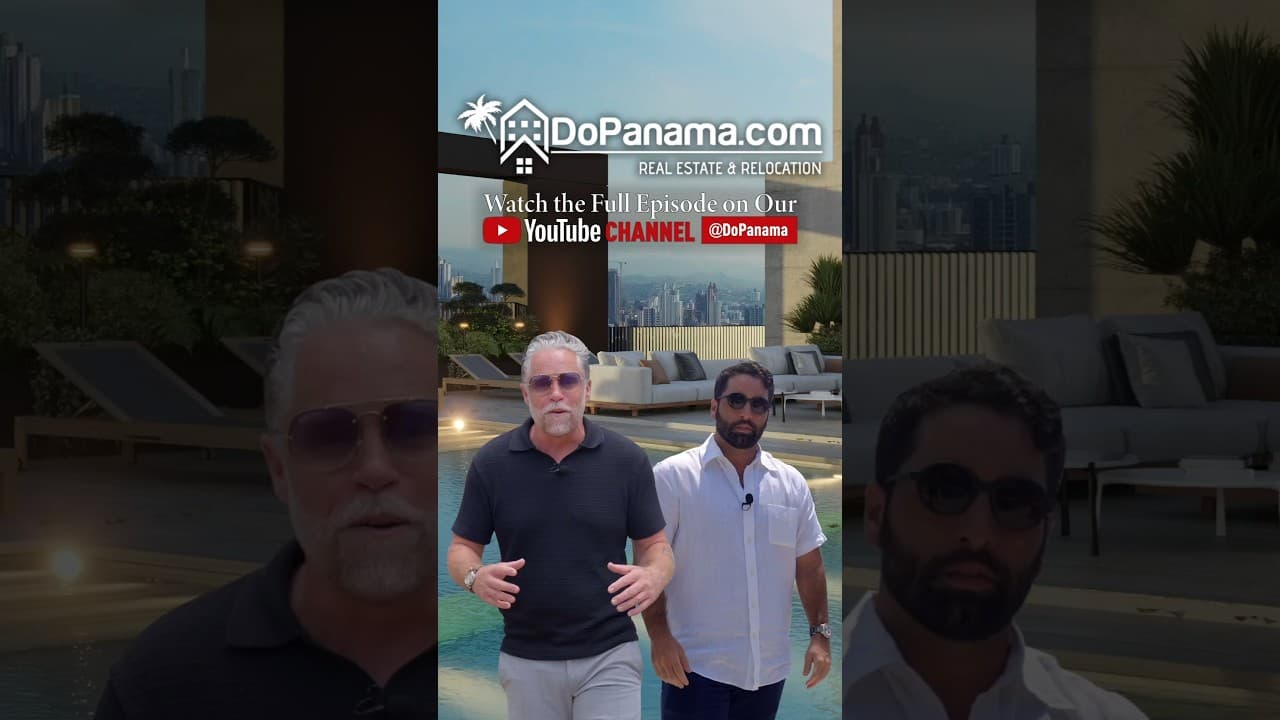
Today's guests: Dr. Daniel Baccarani & Geoff Blumer — two inspiring professionals making an impact in Panama. Join us for ...
Living in Panama as an Expat: The Unfiltered Truth from Two Americans Who Made the Move
Panama consistently ranks in the top three retirement destinations globally alongside Costa Rica and Portugal - and for compelling reasons. With the U.S. dollar as official currency, world-class yet affordable healthcare (doctor visits cost just $34 without insurance), and grocery costs running 80% lower than major U.S. cities, Panama offers expats an exceptional quality of life that's both accessible and secure. This Central American hub combines the safety and infrastructure Americans expect with the adventure and affordability they crave.
Why Panama Beats Costa Rica and Portugal for American Expats
When Geoff Blumer decided to leave 50 years of Minnesota winters behind, he didn't just pick a random tropical destination. He methodically visited Costa Rica, Panama, and Portugal - the holy trinity of expat retirement destinations that constantly battle for the top spot in 'Where to Retire' rankings. Panama won, and his reasons reveal what many retirees discover once they dig past the glossy magazine spreads.
First, there's the dollar. While Portugal requires constant currency conversion calculations and Costa Rica uses the colón, Panama operates entirely on U.S. dollars. 'I don't have to do math and figure out what the conversion rate is,' Geoff explains with obvious relief. This isn't just about convenience - it eliminates currency risk for retirees on fixed incomes and makes financial planning refreshingly straightforward.
But the real differentiator? Safety. 'Panama is one of the safest places I've ever been to in my entire life,' Geoff emphasizes, noting this matters even more now that he has a child. Yes, you'll see security guards with visible weapons and motorcycle police units in camouflage gear patrolling the streets. For newcomers, this can trigger culture shock - Austin Hess jokes about thinking they were filming a John Wick movie when he first arrived. But here's the thing: it works. You don't see the violent crime, mass shootings, or property theft that plague so many U.S. cities. The visible security presence keeps everyone in line.
Panama City also offers something neither Costa Rica's smaller cities nor Portugal's expat hubs quite replicate: a genuine international metropolis with direct flights to everywhere. Copa Airlines operates as Panama's hub carrier with direct routes to Madrid, Turkey, Argentina, Peru - even Istanbul. The airport sits just $15 and 20 minutes by Uber from the city center. Try getting that convenience in San José or Lisbon.
80% lower grocery costs compared to New Jersey
Source: Direct price comparison by DoPanama client
The Real Cost of Living in Panama: Breaking Down the Numbers
Let's talk money, because this is where Panama either makes sense for your situation or doesn't. Housing and healthcare - the two biggest retirement expenses - operate on a completely different scale here.
Housing spans an enormous range. You could find basic accommodation for $500 monthly in areas outside Panama City (though you probably wouldn't want to live there). Most comfortable expat living in Panama City - the kind of apartment with city views and modern amenities - runs significantly less than comparable U.S. urban housing. When Austin showed a New Jersey client video of his Panama City apartment with pricing, her response was immediate: 'That's a fraction of what I pay.' She calculated her monthly savings and knew she could afford retirement.
Groceries follow a similar pattern. Shopping at local markets and buying regional products rather than imported U.S. brands delivers massive savings. Picture this: a farmer's truck pulled over roadside selling two fresh pineapples for $1. Not $1 each - $1 for both. And Geoff swears it's 'the best pineapple in the world.' Ray supermarket vegetables and produce cost roughly 80% less than equivalent items in major U.S. metro areas.
Healthcare costs will blow your mind if you're used to U.S. pricing. Doctor visits without insurance: $34. Not a copay - that's the full price. Dental cleaning: $35-40. Colonoscopy in Boquete: $700 out of pocket. A broken arm treated at a Panama hospital: $14,000 total. That same broken arm in the U.S. without insurance? You're looking at $40,000-60,000 easily.
Medicare Advantage plans now cover emergency care in Panama - if you fall and break that arm, they'll stabilize you here. For chronic care, they'll send you back to the U.S. where Medicare covers treatment. It's actually a clever system for retirees who want the option of U.S. healthcare without paying for it when they're perfectly fine in Panama.
Restaurant meals, entertainment, and movie tickets run a fraction of U.S. costs. With the Pensionado senior discount program, these savings multiply further.
$34 for doctor visits without insurance
Source: Pana'Gringo Podcast Episode 2, confirmed by expat experience
Boquete vs Panama City: One Expat's Journey from Mountains to Metropolis
Geoff Blumer's Panama journey offers a masterclass in the flexibility this country provides. He started in Boquete - the misty mountain town that's become synonymous with Panama retirement. For two years, he lived the highland dream: cool temperatures, lush coffee plantations, a tight-knit expat community, and scenery that belongs on a postcard.
Boquete is legitimately beautiful, and for many retirees it's absolute perfection. The weather hovers in the eternal spring zone, you're surrounded by nature, and the cost of living drops even lower than the city. It's peaceful, scenic, and quiet - which is exactly why Geoff eventually left.
'I moved up to the city, never lived in a big city in my entire life, and I thought, I'm going to give it a whirl,' he explains. 'And I tell you, I'm not turning back.' What changed his mind?
Panama City offers something small-town Boquete can't: constant stimulation and an ever-rotating cast of interesting people. 'Everybody's the new kid in school here,' Geoff observes. 'You could be out at a bar, at a restaurant. Everybody's doing interesting things.' His brother visited and spent an evening at the casino just talking to random people - every single person had a fascinating story. Someone building a business, someone from Italy working on a development project, an Australian entrepreneur, a Colombian artist.
This makes Panama City fundamentally different from most big cities, where social circles calcify and newcomers struggle to break in. Here, everyone's from somewhere else, everyone chose to be here, and that creates an immediate common ground. These are self-selected risk-takers and outside-the-box thinkers who left their home countries for adventure.
The smart play? Some DoPanama clients buy properties in multiple locations - a condo in Panama City, a mountain house in Boquete, and a beach place in Coronado or Playa Blanca. When they're not using a property, they Airbnb it out. All three locations stay consistently booked because Panama's weather (even during 'rainy season') keeps tourism steady year-round. The rental income covers HOA fees and mortgages while giving owners ultimate flexibility.
Direct flights from Panama City to Madrid, Turkey, Peru, Argentina and throughout the Americas
Source: Copa Airlines hub operations
The Pensionado Visa: Panama's Golden Ticket for Retirees
Here's something most countries don't offer: permanent residency based purely on your pension or Social Security income. The Panama Pensionado visa is the only major residency program that doesn't require real estate investment to gain permanent status.
Once you hit 60 (men) or 55 (women), you qualify for both the visa and the discount program that comes with it. These aren't token savings - they're substantial discounts that affect your daily life:
- 25% off Copa Airlines flights originating in Panama (applied to base fare, not taxes) - 25% off restaurant bills - 20% off medical consultations - 15% off hospital bills - 15% off dental and eye exams - 20% off pharmaceuticals - 25% off electricity bills - Entertainment and movie tickets (as low as $3.50 with discount)
Geoff admits he initially felt self-conscious showing his Pensionado card: 'I'm not going to show my card. I don't want to tell them how old I am.' But when you're saving $7 here and $12 there, it adds up fast. 'That's the Pensionado visa,' he now says proudly.
Many retirees who qualify for Pensionado still choose to buy property anyway - it diversifies their portfolio, they're living here permanently, and Panama's property ownership structure offers exceptional asset protection. Unlike Asian countries where you might get a 25-year lease, Panama gives you outright ownership with U.S.-style title protection. You can hold property in your personal name, through a Panamanian corporation, or in a foundation (similar to a trust) that protects assets and ensures your children inherit exactly as you specify.
25% discount on Copa Airlines flights for Pensionado visa holders
Source: Panama Pensionado benefits program
Healthcare and Medical Tourism: World-Class Care at Fraction of US Costs
Dr. Daniel Baccarani represents something special about Panama's medical infrastructure. He's not just a cosmetic surgeon helping expats look younger (though he does that expertly). He works trauma shifts at Panama's largest public hospital - treating car accident victims, burn patients, and people who need reconstructive surgery to reclaim their lives after devastating injuries.
'Usually when you think about a plastic surgeon you only think about beauty, breast, and aging,' Dr. Baccarani explains, 'but we are reconstructing people from trauma or car accidents, even burn patients. It's very important to help them get back to normal life.'
This dual focus - advanced trauma care alongside aesthetic medicine - exemplifies Panama's healthcare quality. The country has invested heavily in medical infrastructure, training doctors to international standards while keeping costs accessible. Austin Hess personally benefited from this when a dog bite required facial reconstruction: 'A surgeon like yourself was able to put me back together from the get-go where I didn't need plastic surgery.'
Medical tourism is exploding in Panama, though it hasn't been marketed as aggressively as Thailand or Costa Rica. But word is spreading fast. Austin's desk at the Hilton Hotel (same building as the Waldorf Astoria) sits in the lobby of the BISCO tower that houses the Stem Cell Institute of Panama. 'I've met more NFL players here in Panama in the last couple years than I ever met in my entire life in the United States,' Austin reveals. 'They're all coming here for stem cells.'
Families bring children with autism for stem cell treatments. Athletes recover from career-threatening injuries. And while they're here for medical care, they discover Panama itself - then stop by Austin's desk asking about real estate and residency options.
For aesthetic procedures, the value proposition is staggering. Porcelain veneers cost around $5,000 in Panama versus $15,000 in the U.S. Resin veneers: $1,500 for a full set. Botox, when done properly ('we don't want to change, we just want to improve how you look,' Dr. Baccarani emphasizes), costs a fraction of U.S. pricing without the frozen, overdone appearance Americans fear.
The new children's hospital opening in Panama City will further cement the country's position as a regional medical hub. Combined with Copa's flight network, Panama offers the rare combination of world-class care, affordable pricing, and easy accessibility.
$1,500 for full set of resin veneers, $5,000 for porcelain veneers
Source: Clinica Baccarani pricing, Panama City
Safety in Panama: What the Motorcycle Police Actually Mean
Let's address the elephant in the room: those intimidating motorcycle police units rolling through Panama City with officers in full camouflage gear, one holding what appears to be a serious machine gun.
First-time visitors experience a jolt of adrenaline. Austin thought action movies were filming. Geoff had to adjust his Minnesota sensibilities. But here's what every long-term expat eventually realizes - this visible security presence is precisely why Panama feels so safe.
You don't see the carjackings, home invasions, smash-and-grab robberies, or random violence that plague many U.S. cities. Those motorcycle units (called 'Nieces') and armed security guards at banks and stores serve as a massive deterrent. Criminals know the response will be immediate and overwhelming.
This creates a fascinating paradox: seeing more weapons makes you objectively safer. The visible security that initially triggers culture shock becomes reassuring once you've lived here a few months and realized you can walk city streets at night, leave your phone on a restaurant table while you use the bathroom, and not worry about your car getting broken into.
'I think it's probably the most important [factor] in my eyes,' Geoff says about safety. 'Panama is one of the safest places I've ever been to in my entire life.' This matters exponentially more once you have children or grandchildren visiting.
Panama also benefits from geographic isolation - it's not on major drug trafficking routes the way some Central American countries are, and it lacks the gang violence that plagues neighbors to the north. The government prioritizes stability because the entire economy depends on the Canal, banking, and increasingly tourism and expat residency. They cannot afford instability.
Weather adds another safety dimension. Unlike Caribbean islands or Pacific coastal regions, Panama sits outside the hurricane belt. While Costa Rica and Nicaragua get hammered by hurricanes, Panama remains protected by its geographic position. You get tropical storms and the rainy season (typically a downpour around 3 PM that clears within hours), but not the devastating cyclones that can literally erase entire communities in other tropical paradises.
Approximately 25 full days of rain per year in Panama City
Source: Expat observation and Panama meteorological patterns
The Expat Community: Why Everyone in Panama City is Interesting
There's something electric about Panama City's expat scene that you won't find in most international communities. Geoff nailed it when he compared it to being the new kid in school - except everyone's the new kid simultaneously.
This creates an incredibly open, welcoming social environment. People strike up conversations at bars, restaurants, casinos, networking events. And here's the kicker: everyone has a story worth hearing.
'Everybody is unique,' Geoff marvels. 'The people that live in Panama, whether they're from Italy, Germany, France, Australia, Venezuela, Colombia, United States, Canada, everybody is doing something cool. Everybody's interesting. They're outside the box thinkers.'
There's a self-selection bias at work. People who leave their home countries and move internationally tend to be more adventurous, more entrepreneurial, more curious than those who stay put. They're starting businesses, launching creative projects, building new lives. The Italian guy at the bar is developing sustainable housing. The Australian woman is opening a wellness retreat. The Colombian entrepreneur just sold his tech startup. The American couple bought a coffee farm in Boquete.
This concentration of interesting people creates a virtuous cycle. More fascinating expats attract more fascinating expats. Panama City specifically - as opposed to smaller expat enclaves - maintains this energy because it's large enough to constantly refresh with new arrivals while small enough that you'll run into acquaintances organically.
You can walk into a grocery store or fish market and have an authentic local experience (the guy selling fresh pineapples from his truck bed for two-for-a-dollar), then meet a new German investor at a rooftop bar that evening. This blend of authentic local culture and international sophistication is rare.
DoPanama hosts regular networking events specifically because they understand how important community is for new arrivals. Austin met Geoff at one of these events. These aren't corporate, stuffy affairs - they're genuine opportunities to meet other expats, ask questions, share experiences, and build the social network that transforms Panama from a place you moved to into home.
33,000 registered attorneys in Panama
Source: Panama legal registry
Property Ownership: Asset Protection That Actually Protects Assets
Here's where Panama's history as 'a stepchild of the US' (Austin's words) pays massive dividends for foreign property buyers. When the United States bought the Panama Canal from the French, Panama became a republic and separated from Colombia. In the process, Panama adopted U.S.-style property titling and ownership structures that are far more protective than most Latin American countries offer.
You own property outright. Not a 25-year lease like Thailand. Not a convoluted fideicomiso like Mexico. You get actual, complete ownership with clear title.
You have three primary ownership structures:
1. Personal name: Direct ownership, simple and clear 2. Panamanian corporation: Provides liability protection and privacy 3. Foundation (Panama's trust equivalent): Ultimate asset protection with inheritance control
The foundation structure is particularly brilliant for estate planning. You specify in the bylaws exactly how the asset passes to your children, protecting it from creditors, divorces, lawsuits, and ensuring your wishes are followed precisely. This isn't sketchy offshore tax evasion - it's legitimate asset protection that wealthy families worldwide use.
If you're renting properties on Airbnb or long-term, holding them in a corporation protects your personal assets from any liability issues. Someone slips and falls in your rental? They can only go after the corporation's assets, not your personal wealth.
'The way you are able to set things up in this country, it protects your assets,' Austin explains. 'It protects them for not only yourself... but it also protects it so that asset is held for your children, you know, and it's held in the way you want it to be held.'
Working with experienced attorneys is non-negotiable here. While Panama has 33,000 registered lawyers, not all are created equal, and the famous Latin American 'mañana doesn't always mean tomorrow, it just means not today' definitely applies. DoPanama connects clients with vetted attorneys who specialize in expat real estate and understand the urgency North Americans expect.
Three property ownership structures available: personal name, corporation, or foundation (trust)
Source: Panama property law
Living in Panama isn't just about escaping high costs or harsh winters - though it certainly accomplishes both. It's about joining a community of interesting, adventurous people who chose to live differently. It's about world-class healthcare for a fraction of U.S. costs. It's about genuine safety without sacrificing urban amenities. And it's about building a life where your retirement savings stretch further while your quality of life expands. Whether you're drawn to the mountain serenity of Boquete, the cosmopolitan energy of Panama City, or the beach tranquility of Coronado, Panama offers the infrastructure, safety, and affordability that makes the transition smooth. The Pensionado visa provides a path to residency without real estate investment, though property ownership offers exceptional asset protection and appreciation potential. Ready to explore what life in Panama could look like for you? Contact Austin Hess and the DoPanama team at +507 6443-3341 or visit their office at the Waldorf Astoria Hotel in Panama City. They'll connect you with vetted attorneys, show you properties that match your lifestyle, and answer the thousand questions you have about making this move. Because the best way to understand if Panama is right for you is to experience it yourself - and DoPanama ensures that experience is informed, protected, and exciting from day one.
Expert Insights
“Panama is one of the safest places I've ever been to in my entire life. Being myself first off, but having a child as well, Panama is one of the safest places I've ever been to.”
— Geoff Blumer, American Expat
“I've met more NFL players here in Panama in the last couple years than I ever met in my entire life in the United States. They're all coming here for stem cells.”
— Austin Hess, COO of DoPanama Real Estate & Relocation
“We don't want to change, we just want to improve how you look. That's very important because we don't want to be frozen. We just want to improve.”
— Dr. Daniel Baccarani, Clinica Baccarani
Frequently Asked Questions
Is Panama really safe for American expats and retirees?
Yes, Panama is considered one of the safest countries in Central America for expats. You'll see visible security presence including armed guards and motorcycle police units, which initially surprises newcomers but actually creates the deterrent that keeps crime rates low. Expats consistently report feeling safer walking city streets at night in Panama than in most U.S. cities. Panama also sits outside the hurricane belt, providing natural disaster safety that Caribbean islands lack.
How much does it actually cost to live in Panama as a retiree?
Living costs in Panama vary dramatically by lifestyle and location, but most retirees find expenses 50-80% lower than comparable U.S. cities. Doctor visits cost $34 without insurance, groceries run 80% cheaper than major U.S. metro areas (especially when buying local produce), and comfortable Panama City apartments rent for a fraction of New York or Miami prices. The two biggest expenses—housing and healthcare—cost substantially less while maintaining high quality standards.
What is Panama's Pensionado visa and what discounts do you get?
The Pensionado visa is Panama's retirement residency program available to anyone 60+ (men) or 55+ (women) with pension or Social Security income. It's the only major residency visa that doesn't require real estate investment. Benefits include 25% off Copa Airlines flights departing Panama, 25% restaurant discounts, 20% off medical consultations, 15% off hospital bills, 20% off pharmaceuticals, 25% off electricity, and discounted entertainment. These aren't token savings—they significantly reduce daily living costs.
Should I live in Boquete or Panama City as an expat?
Boquete offers cooler mountain climate, stunning natural scenery, lower costs, and a tight-knit expat community—perfect for those seeking tranquility and nature. Panama City provides urban energy, international airport access, diverse restaurants and entertainment, constant influx of interesting people, and better healthcare facilities. Many expats start in Boquete then move to the city (or vice versa), while some buy properties in both locations and split their time. The smart strategy is visiting both extensively before committing.
How much does healthcare cost in Panama compared to the United States?
Healthcare in Panama costs 70-85% less than the U.S. while maintaining high quality standards. Standard doctor consultations cost $34 (not a copay—the full price), dental cleanings run $35-40, and procedures like colonoscopies cost around $700 versus thousands in the U.S. A broken arm treated in Panama costs approximately $14,000 out-of-pocket versus $40,000-60,000 in America. Medicare Advantage plans now cover emergency care in Panama, though chronic care requires return to the U.S.
Can foreigners own property in Panama and is it safe?
Yes, foreigners can own property outright in Panama with the same rights as citizens—no leases or restrictions like many Asian countries impose. Panama adopted U.S.-style titling when it separated from Colombia, providing exceptional legal protection. You can hold property in your personal name, through a Panamanian corporation (for liability protection), or in a foundation (similar to a trust for estate planning). This isn't available in most Latin American countries and provides genuine asset protection for your investment and heirs.
Why are so many people going to Panama for medical tourism?
Panama has become a medical tourism hotspot due to the combination of world-class healthcare (many doctors trained in the U.S. or Europe), costs 70-85% lower than America, and easy accessibility via Copa Airlines' direct flights from major U.S. cities. High-profile patients including NFL players come for stem cell treatments, families bring children with autism for specialized care, and cosmetic procedures like veneers cost $1,500-5,000 versus $15,000+ in the U.S. Many medical tourists discover Panama during treatment and return as real estate investors or permanent residents.
What's the expat community like in Panama City?
Panama City's expat community is uniquely open and dynamic because virtually everyone is 'the new kid'—people from Italy, Germany, Australia, Colombia, Venezuela, Canada, and the U.S. who chose to relocate internationally. This creates an incredibly welcoming environment where strangers strike up conversations easily and everyone has interesting stories. These are self-selected adventurers, entrepreneurs, and outside-the-box thinkers who left their home countries, making the social scene more engaging than typical expat enclaves where circles become closed and cliquish.
Key Statistics
Doctor visits cost $34 without insurance in Panama
Source: Pana'Gringo Podcast, confirmed by expat experience (2024)
Grocery costs are 80% lower in Panama compared to New Jersey
Source: Direct price comparison by DoPanama client from New Jersey (2024)
Pensionado visa holders receive 25% discount on Copa Airlines flights departing Panama
Source: Panama Pensionado benefits program (2024)
Porcelain veneers cost approximately $5,000 in Panama versus $15,000 in the United States
Source: Clinica Baccarani pricing comparison (2024)
Panama City averages approximately 25 full days of rain per year, with most rain occurring around 3 PM during rainy season
Source: Expat observation and Panama meteorological patterns (2024)
Broken arm treatment in Panama costs approximately $14,000 out-of-pocket versus $40,000-60,000 in the United States
Source: Pana'Gringo Podcast expat experience (2024)
Panama has 33,000 registered attorneys
Source: Panama legal registry (2024)
Movie tickets cost as low as $3.50 with Pensionado senior discount
Source: Panama Pensionado benefits program (2024)
Locations Mentioned
Ready to Start Your Journey?
Let our team help you find your perfect home in Panama.
Related Articles
 Article
Metropolitan Natural Park: Your 265-Hectare Urban Jungle Adventure Minutes from Downtown Panama City
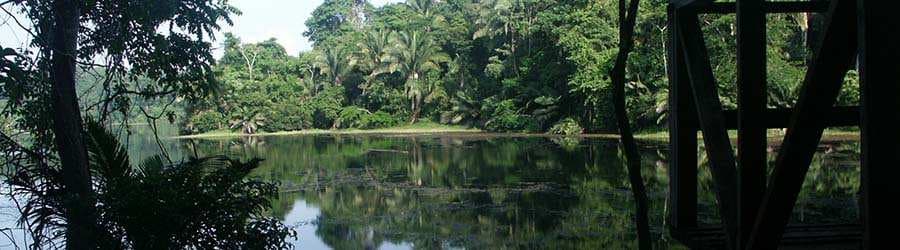
Metropolitan Natural Park in Panama City spans 265 hectares with 220 documented bird species and 45 mammal species, making it Central America's largest urban park. Research shows the park creates microclimates 2-3°C cooler than surrounding areas, directly benefiting nearby neighborhoods like Clayton, Albrook, and Ancon—where Panama City real estate commands premium prices due to this unique combination of urban convenience and pristine tropical forest access.
 Article
Copa Airlines Panama-San Diego Route: Revolutionary Gateway for Expats and Investors in 2025
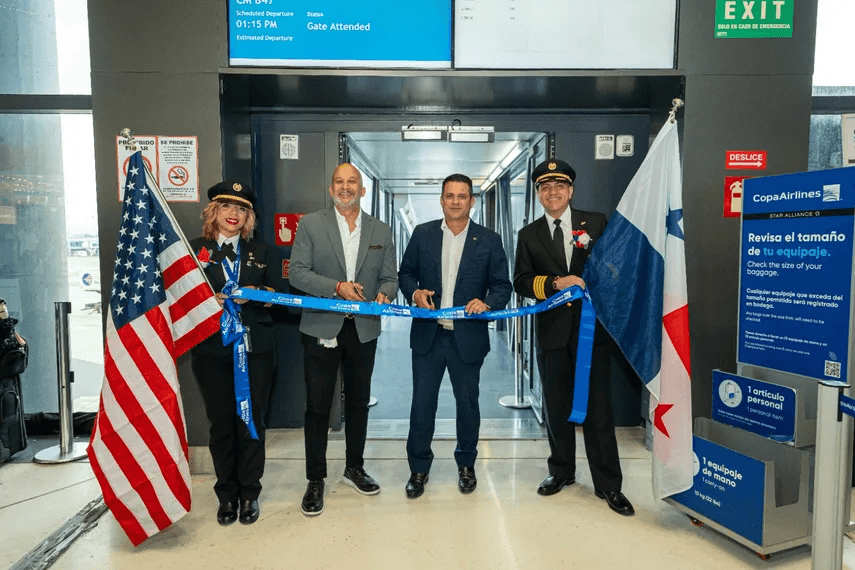
Copa Airlines launched direct flights between Panama City and San Diego on June 25, 2025, operating four times weekly with Boeing 737 MAX 9 aircraft, creating the first non-stop connection between Southern California and Central America's premier expat destination with over 313,000 American residents.
 Article
DoPanama YouTube Channel Reaches 50,000+ Subscribers, Becoming Panama's Leading Expat Relocation Authority
DoPanama Real Estate's YouTube channel has over 50,000 subscribers and 864,200 monthly views, making it Panama's leading digital resource for expat relocation and investment guidance, with comprehensive coverage of visa procedures, real estate markets, and lifestyle insights across all major expat destinations.
 Video
VideoDoPanama #SilverBay
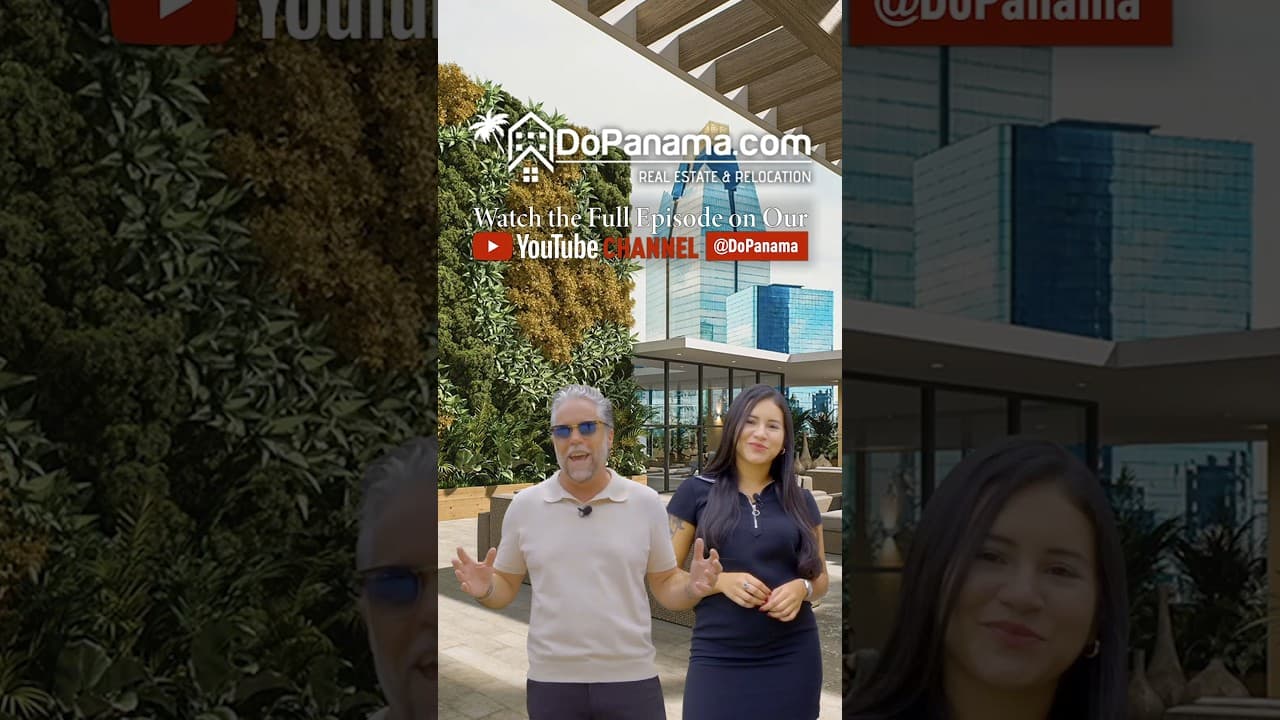
PH Silver Bay is a modern, smart residential real estate project currently in the pre-construction phase, located in the exclusive ...
 Video
VideoInvestment Groups Welcome | Do Panama Real Estate & Relocation
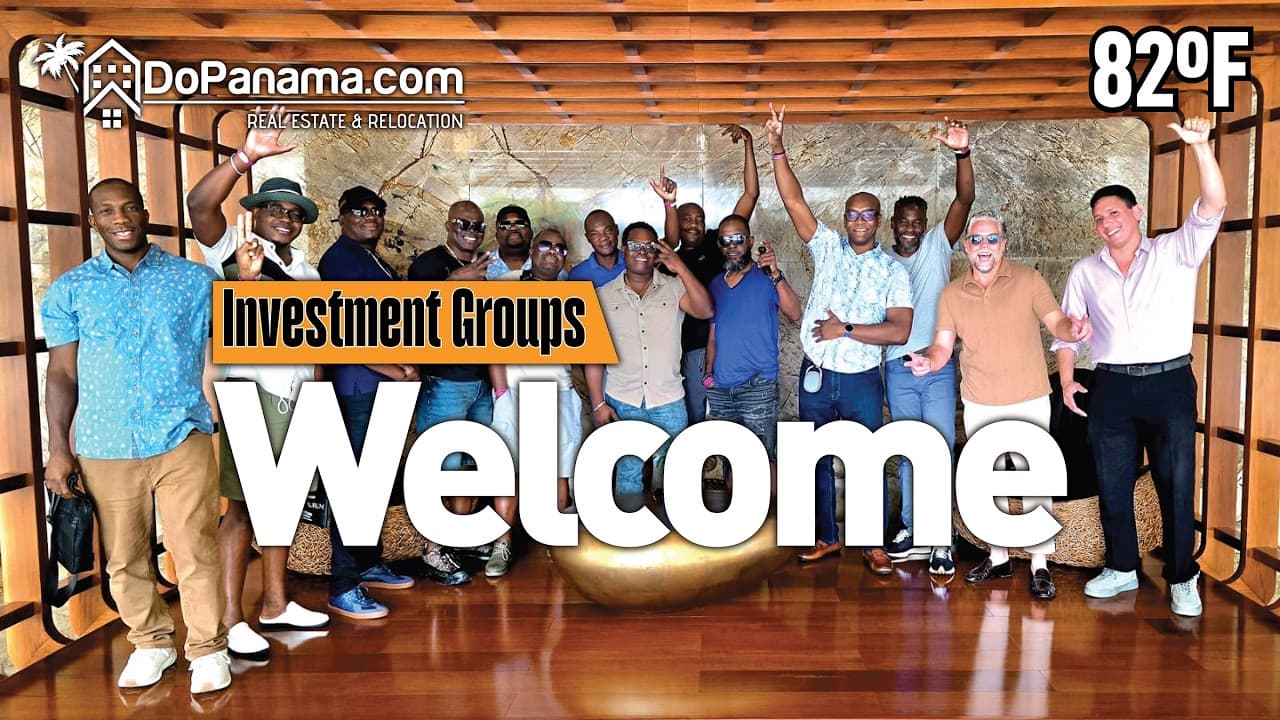
In Panama, making high-value real estate investments is very easy, and they can be done either individually or as a group.
 Video
VideoDoPanama #TribuBuilding
P.H. Tribu is a different concept with a mixed-use component and a mix of amenities and services that will add value to the ...
Own Property in Panama?
List it in minutes and reach international buyers through our platform.