Finding the Perfect International School in Panama: Inside United School's 41-Country Community
The wait is over—the first episode is live! bringing you insights, stories, and real-life experiences of Panama living. From ...
Finding the Perfect International School in Panama: Inside United School's 41-Country Community
Panama's international schools represent a stunning 41 countries in single campuses, offering 5-language immersion programs starting at 10 months old. United School of Panama in Costa del Este exemplifies this global melting pot, with 60-70% of families being entrepreneurs with deep Panama roots - meaning stable, long-term communities rather than transient populations. For expat families relocating to Panama, choosing a school isn't just about academics; it's about finding a second home that matches your family values in a country where your children will spend more waking hours at school than anywhere else.
Why Panama's International Schools Stand Out Globally
Walk into United School of Panama on any given day, and you'll hear snippets of conversation in English, Spanish, French, Mandarin, and Portuguese echoing through hallways designed with Boston-inspired pillars - each one representing a core value. This isn't your typical expat school experience. According to Lee, Director of United School of Panama who relocated from Boston via Spain, "Panama has a little bit of everything but everything wrapped into its own paradise. The quality of life here, you will not find in most places of the world."
What makes Panama's international school scene truly unique is the demographic makeup. Unlike multinational company hubs where families rotate every 1-2 years, Panama's international schools attract a different breed: entrepreneurs, business owners, and dual-national families establishing permanent roots. United School reports that approximately 60-70% of their parent population owns businesses in Panama, creating unprecedented community stability. You won't see the constant turnover that plagues international schools in other expat destinations.
The infrastructure supporting these schools is equally impressive. Costa del Este, where United School is located, has been called "the Miami of Panama" with all utilities underground and pre-planned infrastructure. This master-planned community attracts multinational families precisely because everything - from schools to healthcare to shopping - is designed for modern, international living. Students can focus on learning rather than adjusting to constant friend departures.
41 countries represented in United School of Panama's student body
Source: United School of Panama Director Lee, 2024
The 5-Language Advantage: Starting Education at 10 Months
Here's where Panama's international schools blow traditional education out of the water: multilingual immersion that starts before children can walk. United School's preschool program introduces five languages beginning at 10 months old, capitalizing on the critical language acquisition window that neuroscience tells us closes around age seven.
Lee founded the preschool after becoming a mother herself, seeking "the all-American dream to be with my daughter working at the same time in something that I love." What started as a preschool grew into a full K-12 campus through parent demand. Construction began in February 2020, hit pandemic delays, but still completed 95% of Phase 1 within 11 months of restarting - opening on schedule in August 2021.
This entrepreneurial spirit permeates the school culture. "We're preparing children for 2045. What type of world is it going to look like then? What are the skills necessary to be able to face whatever is about to come?" Lee asks. The answer isn't just memorizing facts - it's building adaptability, cultural intelligence, and communication skills across languages and cultures. When your classmates represent 41 countries, you're not learning about diversity in a textbook; you're navigating it daily in group projects, lunch tables, and playground games.
For parents from Boston's 40+ universities or other global melting pots, this feels like home. The difference? Panama's sunshine, beach proximity, and cost of living make it sustainable long-term rather than a temporary hardship post.
5 languages taught starting at 10 months old
Source: United School of Panama curriculum
Matching School Values to Family Values: The Non-Negotiable
Here's the real talk that Lee emphasizes to every prospective parent: "Whatever the values you have at home, whatever it is you want to see for your children, it should very much match the school's values. We are second home. Babies are going to be with us the majority of their waking hours, then with you guys at home."
This isn't marketing fluff - it's mathematics. School-age children in Panama's private schools typically spend 8-10 hours daily on campus when you factor in transportation and after-school activities. That's more time than they're awake at home on weekdays. If your family values outdoor education, entrepreneurship, or specific cultural traditions, your school choice becomes the most important lifestyle decision you'll make in Panama.
Lee recommends parents ask three critical questions during school tours:
1. Mission alignment: Does the school's mission statement reflect what you're fighting for as parents? Are they just words on a website, or do you see evidence in hallways, classrooms, and student interactions?
2. Future preparation: How is this school specifically preparing students for 2045's job market? Coding and robotics are table stakes now - what's the school doing about AI literacy, emotional intelligence, and adaptive thinking?
3. Community stability: What percentage of families are transient versus rooted? High turnover disrupts friendships and community building. Panama's unique advantage is its stable, entrepreneur-heavy demographic.
Unlike the United States where you're often locked into your neighborhood school, Panama offers choice. Families in Panama City can realistically consider 8-12 high-quality international schools, each with distinct philosophies, curricula (IB, American, British), and cultures. This freedom is simultaneously liberating and overwhelming - which is why doing your homework becomes critical.
60-70% of United School families are entrepreneurs owning businesses in Panama
Source: United School of Panama demographic data
Costa del Este: Panama's Education Hub for International Families
Location, location, location - it matters as much for schools as real estate. Costa del Este has emerged as Panama City's premier neighborhood for international families with school-age children, and the reasons go beyond proximity to United School.
This master-planned community east of downtown Panama City features underground utilities, modern infrastructure, and a concentration of international schools, hospitals, and shopping centers. It's what happens when city planners learn from Miami's successes and Panama City's historical challenges (like above-ground power lines that complicate storm recovery).
The neighborhood attracts multinational corporations, diplomatic families, and successful local Panamanians - creating the exact demographic mix that feeds diverse international school populations. Students at United School can walk or take short bus rides from neighborhoods like Santa Maria, where high-rise condos offer ocean views and resort-style amenities.
But here's what makes Costa del Este perfect for families beyond infrastructure: it's a gateway location. You're 20 minutes from Tocumen International Airport for those weekend trips to Bocas del Toro or Boquete that Lee mentioned. You're 15 minutes from Panama City's historic Casco Viejo for cultural outings. You're 90 minutes from Pacific beach towns like Coronado. Your kids can experience "culture, life, food, movement" without the commute becoming a second full-time job.
Real estate in Costa del Este ranges from $200,000 condos to $1M+ homes, with most family-sized options (3BR+) falling in the $300,000-500,000 range. Monthly HOA fees cover security, pools, gyms, and maintenance - typically $200-400 for mid-range properties. It's the Goldilocks zone: not as expensive as Punta Pacifica's luxury towers, not as remote as beach towns, just right for families prioritizing education and urban amenities.
11 months construction time for 95% of United School Phase 1
Source: United School of Panama construction timeline, August 2020-August 2021
Beyond Academics: The Complete International School Experience
Let's talk about what "international school" actually means when you're living it daily versus reading a brochure. At United School, the physical campus reflects the educational philosophy - those Boston-inspired pillars aren't just architectural flourishes; they're conversation starters about values, foundations, and what holds communities together.
The school environment Lee describes focuses on "not just the what because the what is the base of every school but it's the how." This distinction separates forgettable education from transformative experiences. Sure, every school teaches math and language arts. But are students collaborating across language barriers? Are they solving real-world problems through robotics competitions? Are they learning emotional intelligence alongside algebra?
Modern international schools in Panama have embraced what parents in Boston, New York, and London are demanding: future-ready skills. That means technology integration that goes beyond computer labs to 1:1 device programs, coding across grade levels, and AI literacy discussions. It means environmental education that's easy when you're surrounded by rainforests and coral reefs. It means entrepreneurship education taught by teachers whose own families run businesses.
Lee's advice resonates: "Let this beautiful country lead you to places that you didn't even imagine for yourself." For school-age kids, that might mean marine biology field trips to Bocas del Toro, Spanish immersion that turns into fluency through playground friendships, or entrepreneurship projects that become actual small businesses. Panama's compact geography makes experiential education incredibly accessible.
The social-emotional piece matters just as much. When your best friends hail from Italy, Venezuela, Colombia, Germany, and Australia - as Lee describes her own friend group - you're not learning tolerance from textbooks. You're navigating real cultural differences, celebrating diverse holidays, and building the kind of global citizenship that corporations desperately seek in future employees.
Over 40 universities in Boston create the melting pot culture Lee compared to Panama
Source: Boston higher education statistics
The Parent Community: Entrepreneurial Spirit Meets Global Perspective
Here's something that doesn't show up in school brochures but matters enormously: who are the other parents? At United School, Lee describes a parent community that's 60-70% entrepreneurs - people who've chosen Panama not for a 2-year corporate rotation but to build something lasting.
This creates a fundamentally different vibe than traditional international schools. Parent coffee mornings turn into business networking. School fundraisers connect you with Panama's entrepreneurial ecosystem. Your kids' classmates' parents aren't just waiting out their corporate assignments; they're invested in Panama's future because their businesses depend on it.
For families relocating to Panama to start businesses, retire early, or pursue location-independent careers, this community alignment is gold. You're not the weird family who actually wants to stay in Panama long-term - you're the norm. Your kids form friendships that last through high school graduation instead of saying goodbye every June.
The cultural mix Lee describes - Panamanian married to international, or two internationals with Panama businesses - creates bilingual, bi-cultural family norms. Kids grow up switching between English and Spanish mid-sentence (that "Spanglish" Lee mentions), celebrating both American Thanksgiving and Panamanian Independence Days, and considering multiple countries "home."
This is the hidden value proposition of Panama's international schools: they're not just educating your children; they're integrating your entire family into a global community that's choosing Panama deliberately, not reluctantly. The school becomes your social infrastructure, business network, and cultural orientation center all at once.
Children spend majority of waking hours at school versus home during weekdays
Source: Standard school schedule analysis (8-10 hours including transport)
Practical Considerations: Costs, Admissions, and Timeline
Let's get into the nitty-gritty that parents actually need to know. International school tuition in Panama City typically ranges from $8,000-$18,000 annually depending on grade level and school. United School falls in the mid-to-upper range given its facilities, language programs, and low student-teacher ratios. Add registration fees ($1,000-3,000), uniforms, transportation, and activities, and you're budgeting $12,000-22,000 per child annually.
Compared to international schools in Singapore ($30,000+), Hong Kong ($25,000+), or even private schools in major US cities ($35,000+), Panama delivers exceptional value. The quality-to-cost ratio is part of Panama's appeal for families with multiple school-age children.
Admissions processes vary by school but generally require: - Academic transcripts from previous schools - Immunization records - Language assessment (especially for older students) - Parent interviews to ensure value alignment - Student assessment visits (often presented as "shadow days")
Lee emphasizes transparency in this process because schools need to ensure they can serve each child's needs. If your child requires significant learning support, some schools have better resources than others. If your child is academically accelerated, some schools offer more advanced tracks. Honest conversations during admissions prevent mismatches.
Timing matters too. Many Panama families begin school tours 6-12 months before relocating, sometimes during initial scouting trips. Schools accept rolling admissions but fill popular grade levels (especially elementary) quickly. Starting your school search early - even before finalizing your Panama move - gives you negotiating power with real estate decisions. You can choose housing based on school location rather than scrambling to find a school near your already-purchased property.
$8,000-$18,000 annual tuition range for international schools in Panama City
Source: Panama international school market analysis 2024
Choosing an international school in Panama isn't just an educational decision - it's the foundation of your family's entire expat experience. With schools like United School of Panama representing 41 countries, teaching 5 languages from infancy, and building stable communities of entrepreneurial families, Panama offers something truly unique in the global education landscape. The combination of academic excellence, cultural diversity, stable long-term communities, and exceptional value makes Panama's international schools stand out globally. If you're considering relocating to Panama with school-age children, DoPanama's relocation specialists can coordinate school tours, neighborhood assessments, and family consultations to ensure your children's education sets them up for success. Contact Austin Hess and the DoPanama team at +507 6443-3341 or visit dopanama.com to start planning your family's Panama education journey. Your children's future is worth getting this decision right.
Expert Insights
“Panama has a little bit of everything but everything wrapped into its own paradise. The quality of life here, you will not find in most places of the world.”
— Lee, Director of United School of Panama
“Whatever the values you have at home, whatever it is you want to see for your children, it should very much match the school's values. We are second home. Babies are going to be with us the majority of their waking hours, then with you guys at home.”
— Lee, Director of United School of Panama
“We're preparing children for 2045. What type of world is it going to look like then? What are the skills necessary to be able to face whatever is about to come up?”
— Lee, Director of United School of Panama
Frequently Asked Questions
What are the best international schools in Panama for expat families?
United School of Panama in Costa del Este stands out with students from 41 countries, 5-language immersion starting at 10 months, and a stable community where 60-70% of families are entrepreneurs rooted in Panama long-term. Other top options include International School of Panama (ISP), Balboa Academy, and Metropolitan School, each with distinct curricula and philosophies. The key is matching school values to your family values since children spend more waking hours at school than home.
How much does international school cost in Panama?
International school tuition in Panama City ranges from $8,000-$18,000 annually depending on grade level and school, with additional costs for registration ($1,000-3,000), uniforms, transportation, and activities. Total annual costs per child typically run $12,000-22,000, which is significantly less than comparable schools in Singapore ($30,000+), Hong Kong ($25,000+), or major US cities ($35,000+) while maintaining high educational quality.
Where do most expat families live in Panama City near good schools?
Costa del Este is the premier neighborhood for international families, featuring United School of Panama and other international schools, underground utilities, modern infrastructure, and proximity to hospitals and shopping. The area is 20 minutes from Tocumen Airport and 15 minutes from downtown, with family-sized condos and homes ranging from $300,000-500,000. Other popular school-adjacent neighborhoods include Punta Pacifica, Clayton, and parts of Panama Pacifico.
Do international schools in Panama teach in English or Spanish?
Most international schools in Panama offer bilingual programs with English as the primary language of instruction and Spanish integrated throughout the day. United School of Panama takes this further by teaching five languages starting at 10 months old. The language approach varies by school—some follow American curriculum in English with Spanish classes, while others offer true dual immersion where 50% of subjects are taught in each language.
How stable is the student community at international schools in Panama?
Panama's international schools have exceptionally stable communities compared to other expat destinations because 60-70% of families are entrepreneurs and business owners rooted in the country, not corporate transferees on 2-year rotations. This means children form lasting friendships through graduation rather than experiencing constant turnover. United School of Panama reports representing 41 countries with minimal year-to-year movement, creating strong community bonds.
What is the admissions process for international schools in Panama?
Admissions typically require academic transcripts from previous schools, immunization records, language assessments (especially for older students), parent interviews to ensure value alignment, and student assessment visits. Schools accept rolling admissions but fill popular grade levels quickly, so families should begin tours 6-12 months before relocating. Starting early allows you to choose housing based on school location rather than scrambling afterward.
Can my children start international school in Panama if they don't speak Spanish?
Absolutely—most international schools in Panama are designed for non-Spanish speakers, with English as the primary instructional language. Children naturally acquire Spanish through immersion, daily Spanish classes, and friendships with local and Latin American students. United School's director notes that "language acquisition here is very, very easy" because Panama's bilingual environment supports learning. Younger children typically achieve conversational fluency within 6-12 months.
What makes United School of Panama different from other international schools?
United School stands out with students from 41 countries (more diverse than most international schools globally), 5-language curriculum starting at 10 months, entrepreneurial family demographic (60-70% business owners), and modern facilities built specifically for international education in 2021. The school emphasizes future-ready skills for 2045, stable long-term community, and values alignment between families and school philosophy. Located in Costa del Este, it serves Panama's growing population of rooted international families.
Key Statistics
41 countries represented in United School of Panama's student body
Source: United School of Panama (2024)
60-70% of United School families are entrepreneurs owning businesses in Panama
Source: United School of Panama demographic analysis (2024)
5 languages taught starting at 10 months old in United School's preschool program
Source: United School of Panama curriculum (2024)
95% of Phase 1 construction completed in 11 months (August 2020-August 2021)
Source: United School of Panama construction timeline (2021)
$8,000-$18,000 annual tuition range for international schools in Panama City
Source: Panama international school market survey (2024)
Over 40 universities operate in Boston, creating cultural melting pot comparable to Panama
Source: Boston higher education statistics (2024)
School-age children spend 8-10 hours daily at school including transportation
Source: Standard international school schedule analysis (2024)
Locations Mentioned
Ready to Start Your Journey?
Let our team help you find your perfect home in Panama.
Related Articles
 Article
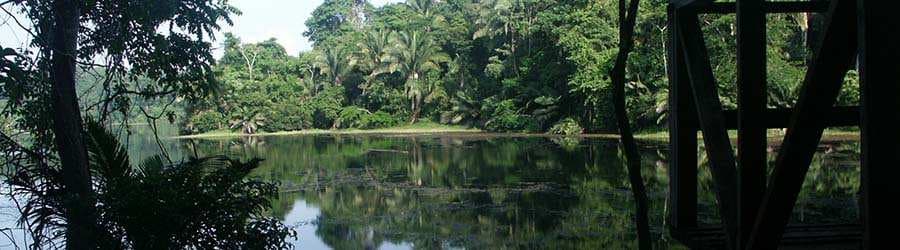
Metropolitan Natural Park: Your 265-Hectare Urban Jungle Adventure Minutes from Downtown Panama City
Metropolitan Natural Park in Panama City spans 265 hectares with 220 documented bird species and 45 mammal species, making it Central America's largest urban park. Research shows the park creates microclimates 2-3°C cooler than surrounding areas, directly benefiting nearby neighborhoods like Clayton, Albrook, and Ancon—where Panama City real estate commands premium prices due to this unique combination of urban convenience and pristine tropical forest access.
 Article
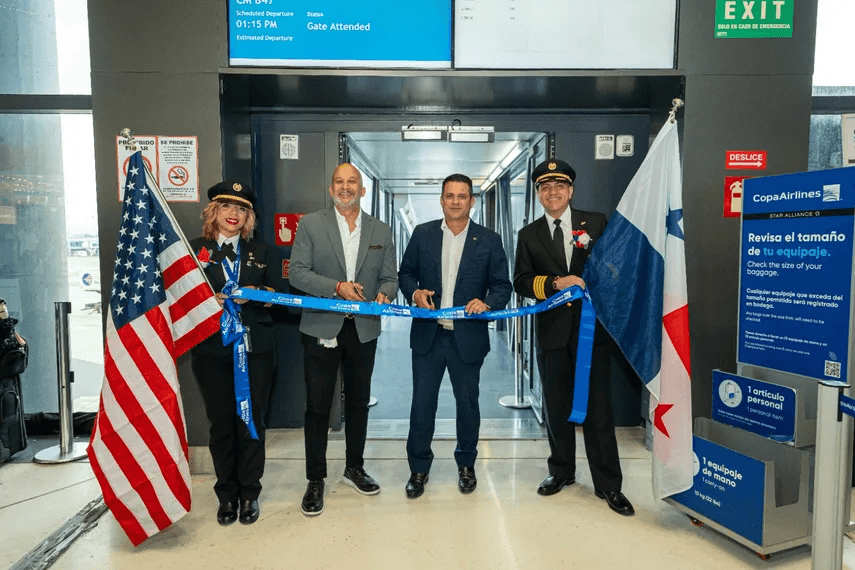
Copa Airlines Panama-San Diego Route: Revolutionary Gateway for Expats and Investors in 2025
Copa Airlines launched direct flights between Panama City and San Diego on June 25, 2025, operating four times weekly with Boeing 737 MAX 9 aircraft, creating the first non-stop connection between Southern California and Central America's premier expat destination with over 313,000 American residents.
 Article
DoPanama YouTube Channel Reaches 50,000+ Subscribers, Becoming Panama's Leading Expat Relocation Authority
DoPanama Real Estate's YouTube channel has over 50,000 subscribers and 864,200 monthly views, making it Panama's leading digital resource for expat relocation and investment guidance, with comprehensive coverage of visa procedures, real estate markets, and lifestyle insights across all major expat destinations.
 Video
VideoDoPanama #SilverBay
PH Silver Bay is a modern, smart residential real estate project currently in the pre-construction phase, located in the exclusive ...
 Video
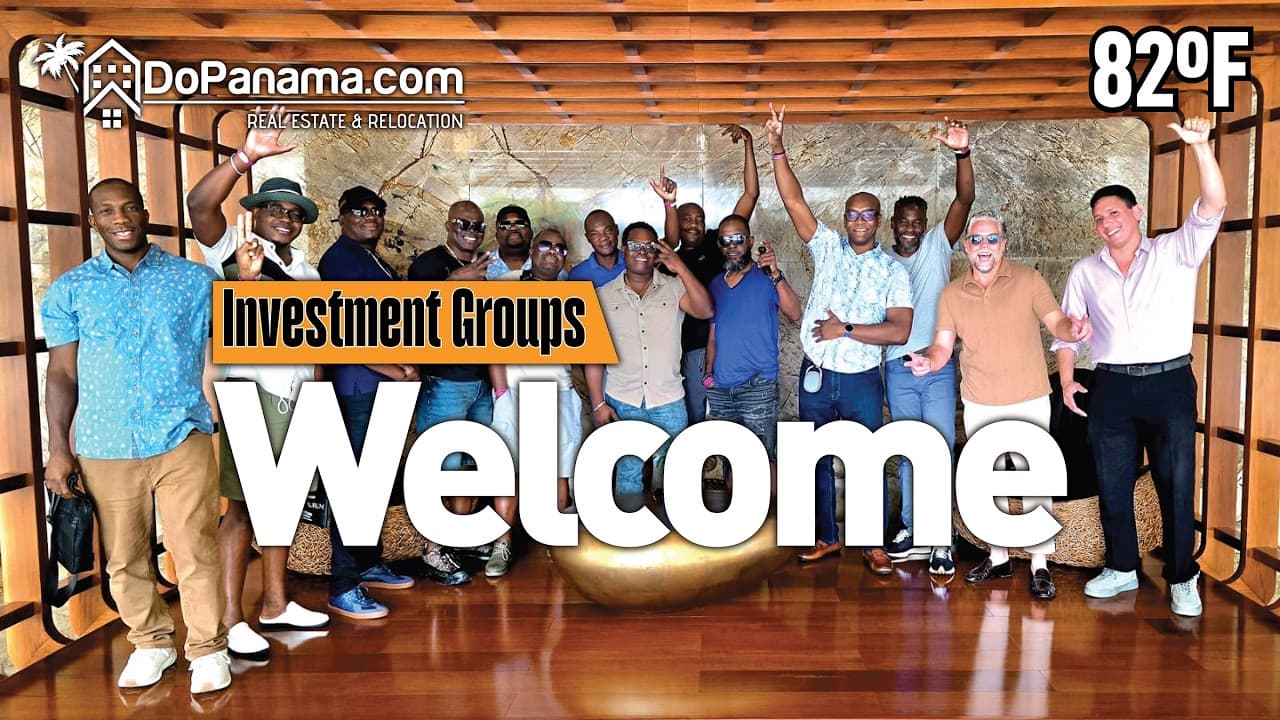
VideoInvestment Groups Welcome | Do Panama Real Estate & Relocation
In Panama, making high-value real estate investments is very easy, and they can be done either individually or as a group.
 Video
VideoDoPanama #TribuBuilding
P.H. Tribu is a different concept with a mixed-use component and a mix of amenities and services that will add value to the ...
Own Property in Panama?
List it in minutes and reach international buyers through our platform.