Joyas de Panama: The Revival of Panama's Premium Cigar Heritage and Cultural Legacy

DoPanama Team
Joyas de Panama: The Revival of Panama's Premium Cigar Heritage and Cultural Legacy
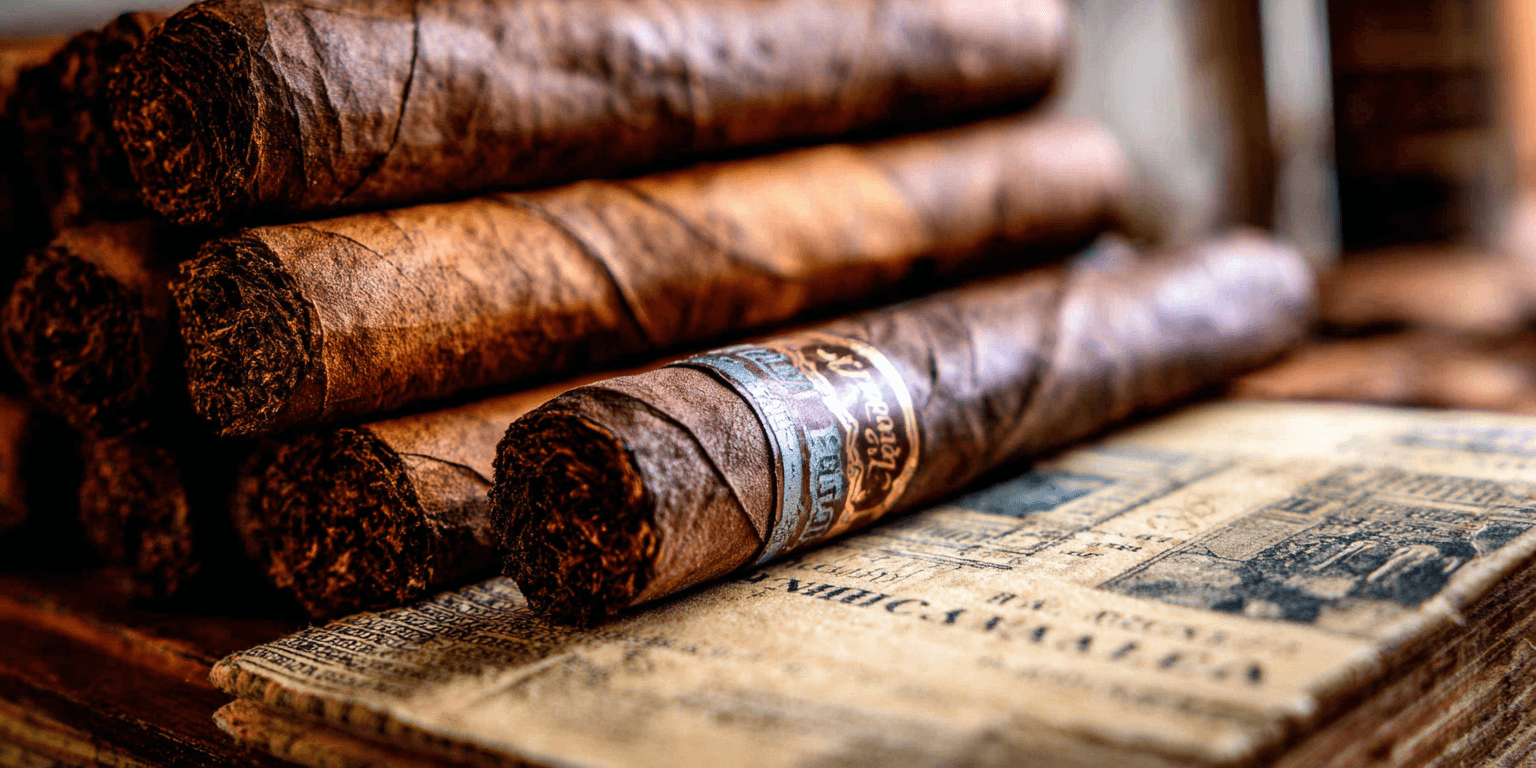
Joyas de Panama is Panama's first permanent cigar factory since 1986, recently reopened by Braulio Zurita in La Pintada, Coclé Province, preserving authentic Cuban tobacco traditions using Cuban seed varieties planted by masters like Gilberto Oliva in the 1980s. According to industry experts, Panama's volcanic soils produce tobacco with unique flavor profiles that combine Nicaraguan strength with Dominican smoothness, making it increasingly attractive to international cigar aficionados and cultural tourism enthusiasts.
The Golden Age: Cuban Masters Transform Panama's Tobacco Industry
The early 1980s marked Panama's tobacco renaissance when renowned Cuban masters Gilberto Oliva and Nestor Plasencia established operations in Coclé Province. In March 1981, these experts founded the Coclé Tobacco Factory in Peñonomé, followed by Tabacos Panama S.A. in La Pintada in 1984.
The volcanic soils of Coclé Province, particularly in Sortová, Sonadora, and La Pintada, proved exceptional for Cuban seed tobacco cultivation. These areas benefit from mineral-rich volcanic ash from Volcán Barú and consistent rainfall patterns that create ideal growing conditions. Unlike other tobacco regions vulnerable to hurricanes, Panama's location below the hurricane belt ensures stable, predictable harvests.
When political and economic pressures forced these Cuban masters to relocate to Nicaragua and Honduras, they left behind invaluable knowledge and perfectly adapted Cuban seed tobacco varieties that form the foundation of Panama's modern cigar industry.
Cuban seed tobacco varieties have been cultivated in Panama for over 40 years
Source: Panama Tobacco Industry Historical Records
Preserving Tradition: Miriam Padilla's Legacy and Family Dedication
Miriam Padilla, former production manager for Gilberto Oliva's company, founded Joyas de Panama in February 1986 after the Cuban masters departed. Operating from a humble wooden shed, she maintained traditional Cuban rolling techniques and quality standards for 37 years until COVID-19 prompted temporary closure in 2023.
Today, her son Braulio Zurita has reopened the factory with Padilla serving as mentor and advisor. The operation continues using exclusively Cuban seed tobacco and hand-rolling methods passed down through generations. This artisanal approach produces two distinct brands: Joyas de Panama (the flagship line) and Flor de Panama (offering different flavor profiles).
The factory welcomes visitors interested in learning about traditional cigar production, with tours available by contacting Joyapan@yahoo.com. This accessibility makes it an attractive cultural experience for expats and tourists exploring Panama's authentic heritage.
Each cigar requires 3-6 months of curing and fermentation before hand-rolling
Source: Traditional Cuban Tobacco Processing Methods
What Makes Panamanian Cigars Exceptional: Terroir and Technique
Several factors distinguish Panamanian cigars in the global market. The volcanic soils of Coclé Province create unique terroir that tobacco experts describe as producing remarkable balance - combining strength associated with Nicaraguan tobacco and smoothness of Dominican varieties.
Panama's stable climate provides consistent growing conditions with average annual rainfall of 1,500-2,000mm and temperatures ranging 24-28°C year-round. This stability contrasts with increasing weather volatility affecting other tobacco regions, ensuring reliable quality and harvest predictability.
The preservation of authentic Cuban genetics, planted directly by Cuban masters themselves, gives Panamanian cigars irreplaceable authenticity. Combined with traditional hand-rolling techniques where skilled torcedores craft each cigar individually, the result is artisanal products that honor both Panama's heritage and Cuban expertise.
Panama's position below the hurricane belt provides 99% harvest reliability compared to 85% in Caribbean tobacco regions
Source: Central American Agricultural Climate Data
Cigar Tourism and Cultural Preservation in Coclé Province
The tobacco regions around La Pintada, Sortová, and Sonadora offer stunning mountain scenery and authentic cultural experiences for visitors. Cigar tourism is growing globally, and Panama's accessibility from North America positions it well to capture this specialized market.
Visitors can explore traditional tobacco fields, observe time-honored farming methods, and learn about the complete cigar-making process from plant to finished product. The areas around La Pintada provide opportunities to witness traditional cultivation techniques that have remained unchanged for decades.
For expats considering relocation to Panama, these rural areas offer lower cost of living, authentic cultural experiences, and proximity to Panama City's amenities. The preservation of traditional crafts like cigar making represents the type of authentic cultural heritage that attracts quality-of-life focused expatriates to Panama.
Rural Coclé Province offers 40-60% lower cost of living compared to Panama City
Source: Panama Cost of Living Index 2024
The story of Joyas de Panama exemplifies the rich cultural heritage that makes Panama attractive to discerning expats and investors. From the colonial tobacco commerce in Portobelo to today's artisanal revival in La Pintada, Panama offers authentic experiences that connect residents to centuries of tradition. Whether you're interested in cultural tourism, investment opportunities, or relocating to areas with lower cost of living and authentic heritage, DoPanama's expert team can guide you through Panama's diverse opportunities. Contact us at +507 6443-3341 or visit our office at the Waldorf Astoria Hotel in Panama City for personalized relocation and investment guidance.
Ready to Take the Next Step?
Our team is here to help you turn this knowledge into action. Get personalized advice for your Panama journey.
Expert Insights
“The revival of Joyas de Panama represents more than just cigar production—it's the preservation of authentic cultural heritage that connects Panama to its colonial past and Caribbean traditions. For expats, it demonstrates the depth of authentic experiences available throughout Panama's diverse regions.”
— Austin Hess, COO of DoPanama
“What makes Panamanian cigars special is the combination of Cuban genetics, volcanic terroir, and traditional craftsmanship that has been preserved by families like the Padillas for nearly four decades. This kind of authentic heritage cannot be replicated and adds tremendous value to Panama's cultural tourism potential.”
— Austin Hess, COO of DoPanama
Frequently Asked Questions
What makes Panama cigars different from Cuban cigars?
Panama cigars use authentic Cuban seed tobacco planted by Cuban masters in the 1980s, grown in Panama's unique volcanic soils. They combine the strength of Nicaraguan tobacco with Dominican smoothness, creating distinctive flavor profiles that honor Cuban traditions while expressing Panama's terroir.
Can tourists visit cigar factories in Panama?
Yes, Joyas de Panama welcomes visitors for factory tours and educational experiences about traditional cigar production. Contact them at Joyapan@yahoo.com to arrange visits to their La Pintada facility in Coclé Province.
Where is Panama's main tobacco growing region?
Panama's primary tobacco region is in Coclé Province, particularly around La Pintada, Sortová, and Sonadora. These areas feature volcanic soils enriched by ash from Volcán Barú, creating ideal conditions for premium tobacco cultivation.
How long has Panama been producing cigars?
Panama has tobacco traditions dating to colonial times in Portobelo, but modern premium cigar production began in 1981 when Cuban masters established factories. Joyas de Panama, founded in 1986, is the country's first permanent cigar factory.
What is the cost of living like in Panama's tobacco regions?
Rural Coclé Province, where Panama's tobacco is grown, offers 40-60% lower cost of living compared to Panama City. This makes tobacco country attractive for expats seeking authentic experiences with reduced expenses.
Are Panama cigars available internationally?
Yes, Joyas de Panama produces two brands—Joyas de Panama and Flor de Panama—that are gaining recognition among international cigar aficionados. The factory focuses on artisanal, hand-rolled production rather than mass market distribution.
What role did Cuban masters play in Panama's tobacco industry?
Cuban tobacco experts Gilberto Oliva and Nestor Plasencia established Panama's modern cigar industry in the early 1980s, planting authentic Cuban seed varieties and training local producers. Their legacy continues through families like the Padillas who preserve traditional techniques.
Table of Contents
Key Statistics
Cuban seed tobacco has been cultivated in Panama for over 40 years since 1981
Source: Panama Tobacco Industry Historical Records (2024)
Panama's average annual rainfall of 1,500-2,000mm provides ideal tobacco growing conditions
Source: Panama Meteorological Service (2024)
Rural Coclé Province offers 40-60% lower cost of living compared to Panama City
Source: Panama Cost of Living Index (2024)
Each premium cigar requires 3-6 months of curing and fermentation
Source: Traditional Cuban Tobacco Processing Methods (2024)
Panama's location provides 99% harvest reliability compared to 85% in hurricane-prone regions
Source: Central American Agricultural Climate Data (2024)
Locations Mentioned
Ready to Explore Panama?
Let our team help you take the next step. Book a free consultation and get personalized guidance.
Related Content
 Article
Panama Now Breathes the Cleanest Air on the Planet. Yes, Cleaner Than Costa Rica.
According to the 2025 IQAir World Air Quality Report, Panama is the only Central American country meeting WHO air quality standards, with PM2.5 levels consistently under 5 µg/m³—making it one of only 13 countries worldwide with WHO-compliant clean air, while Costa Rica does not meet this threshold.
ArticlePanama's Rooftop Real Estate Revolution: Your Complete Guide to 30-40% Higher Returns
According to the Panama Restaurant Association, rooftop hospitality venues in Panama City generate 30-40% higher revenue per square foot than traditional establishments while requiring development costs 40-50% lower than comparable US markets, with properties in premium locations like Costa del Este showing consistent 12% annual appreciation and typical investor returns of 8-12% annually.
 Article
Panama City Mayor Mayer Mizrachi Reveals Why Panama is 'Heaven on Earth' for Expats
According to Panama City Mayor Mayer Mizrachi, Panama offers expats four unique ecosystems within three square kilometers - colonial districts, rainforest, Pacific coast, and modern city - with a dollarized economy and costs 40% lower than Miami.
 Video
VideoPanama's #1 Beach Bar (Nomad Headquarters & Hotel) | in Bocas del Toro
Skully's House on Isla Colón, Bocas del Toro, is a popular beachfront hostel and bar, known for its lively atmosphere, pool, and ...
 Video
Video🌴🚤 Pana'Life - Avani Panama | Pearl Islands, Panama 🏝️🇵🇦
Avani Panama offers a chic, nature-infused boutique escape on Contadora Island, blending rustic wood aesthetics with modern ...
 Video
Video🌿 Amazing Eco Resort For Sale in Panama! 🏝️
Looking for the ultimate lifestyle and investment opportunity? Here it is! This eco-friendly resort is surrounded by lush tropical ...
Properties that match this topic
Own Property in Panama?
List it in minutes and reach international buyers through our platform.