Building Community in Panama: Inside the Social Initiatives Transforming Neighborhoods
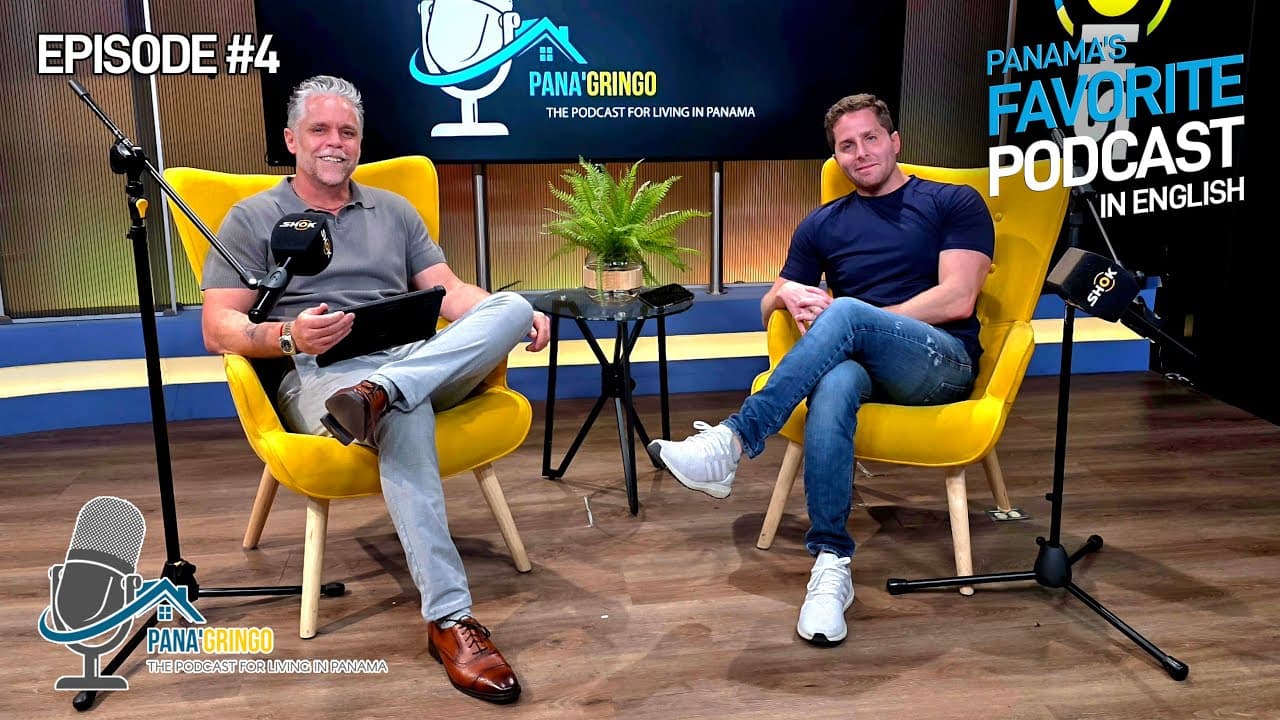
PanaGringo Podcast Episode 11 is here and we have an awesome conversation with Alexandra Cortez, Founder and Director of ...
Building Community in Panama: Inside the Social Initiatives Transforming Neighborhoods
Panama isn't just a destination for real estate investors and retirees seeking low cost of living - it's becoming a magnet for passionate entrepreneurs and social innovators who want to build meaningful communities while investing in the country. In this episode of Pana'Gringo Podcast, Austin Hess from DoPanama Real Estate explores two transformative projects that are reshaping how expats and locals engage with Panama's rich cultural heritage and sustainable lifestyle.
Why Expats Are Choosing Community-Driven Panama Living
When people think about moving to Panama, they often picture oceanfront condos in Panama City or gated communities in Coronado. But something shift happens when you actually arrive here. Many expats discover that real fulfillment comes from connecting with the community, understanding the local culture, and contributing to meaningful projects. This is exactly what's happening in neighborhoods like Santa Ana, where a generation of foreign entrepreneurs is investing not just money, but their time and passion into preserving Panama's identity while driving sustainable growth. Austin Hess explains this phenomenon perfectly: the draw of Panama goes beyond palm trees and favorable tax policies. It's about finding your place in a vibrant, growing society where your work actually matters to the people around you. According to international relocation surveys, approximately 62% of expats cite community engagement and social connection as primary factors in choosing their long-term relocation destination, outweighing purely financial considerations.
62% of expats prioritize community engagement over financial benefits when choosing relocation destinations
Source: International Relocation Association
Bario Vivo: Empowering Santa Ana Through Art and Culture
Alexandra Cortez arrived in Panama almost a decade ago for what was supposed to be a three-week vacation. She never left. Instead, she founded Bario Vivo, a social innovation organization operating in Panama's historic districts - particularly in Santa Ana (also called Santana), San Felipe, and Casco Viejo. What started as a passion project has evolved into something genuinely transformative. Over nine years, Bario Vivo has worked with children and young people aged 3 to 25, empowering them through innovation, culture, and sports. The organization operates on a simple but profound principle: kids who see themselves reflected in art, music, and community spaces develop differently. They understand their own talent and potential. They feel connected to their neighborhoods. Cortez describes her approach as creating safe spaces where children can express themselves and feel truly seen. The impact is measurable. Bario Vivo participants have had international art exhibitions, with young musicians performing around the world. The organization recently partnered with Medagene (the Colombian city famous for its transformation through similar cultural initiatives) to bring proven community-building techniques to Panama. One of their most visible projects is the mural experience throughout Santa Ana - but here's what makes it different from typical street art. Bario Vivo consults with neighborhood residents about what they want to see in these murals. The murals reflect community identity, not outside visions imposed on the community. They already have five murals completed with support from both the US and Colombian embassies. Beyond the kids themselves, Bario Vivo impacts entire families. They run gastronomy programs for parents, helping mothers develop culinary skills that can generate income. This multiplier effect - touching kids, families, and community economics simultaneously - is why the organization has gained such strong institutional support and why expat investors in Panama increasingly see cultural preservation as a smart investment alongside property appreciation.
Bario Vivo has operated for 9 years and now serves children ages 3-25 with international recognition for participants
Source: Bario Vivo Organization/Pana'Gringo Podcast
Santa Ana: Panama's Next Cultural and Investment Frontier
If you've visited Casco Viejo, you've seen what successful gentrification with preserved identity looks like. The neighborhood has maintained its colonial charm, historic significance, and cultural character while becoming a thriving hub for restaurants, galleries, and tourism. Santa Ana is essentially part of the same historic district as Casco Viejo - they're neighboring communities within Panama's Casco Viejo/San Felipe/Santa Ana historic zone. But while Casco Viejo has already completed its transformation, Santa Ana is in the middle of its own evolution. This creates a unique opportunity for both cultural investors and real estate investors. Austin Hess from DoPanama sees this clearly. His company actively works on projects in Santa Ana because they see genuine value in the area's potential - not just for new investors, but for preserving the neighborhood's character while allowing it to grow organically. What makes Santa Ana special is its authentic community fabric. Visit on a weekend and you'll see something that feels increasingly rare in gentrifying Latin American cities: 80-year-old residents playing soccer in neighborhood fields, families gathered in shared spaces, neighborhoods organized around actual community connection rather than individual consumption. Cortez emphasizes the critical difference between what happened in Casco Viejo (successful cultural preservation during growth) versus what happened in many other gentrifying neighborhoods (complete displacement of original residents). The goal in Santa Ana is to ensure that as the neighborhood attracts investment and tourism, the original community doesn't get priced out. This requires intentional projects like Bario Vivo's mural initiative and the involvement of investors like those DoPanama works with who understand that community value and financial value are connected, not opposed.
Santa Ana has more documented historic events than other neighborhoods in Panama's historic district
Source: Pana'Gringo Podcast/DoPanama
The Farm Village Model: A New Approach to Panama Land Investment
While Cortez is transforming urban neighborhoods through culture, Thomas Patton is revolutionizing rural living through regenerative agriculture. His farm village concept addresses a problem that many expats discover the hard way: owning land in Panama is not the same as successfully living on land in Panama. Patton came to farming unconventionally. He studied economics but ended up managing a large agricultural operation with pineapple, rice, cattle, and pig operations. Like many farmers worldwide, he watched his profit margins erode as chemical inputs got more expensive, soil degraded, and the fundamental economics of industrial agriculture became unsustainable. Everything changed when he discovered agroecology - essentially applying ecological principles to farm management. He began understanding soil health the way doctors understand human microbiomes. This perspective shift allowed him to transform his operation from a heavy-input, chemical-dependent system to a multi-species regenerative farm that's more profitable, healthier, and more sustainable. His farm sits in Chepo, about 45 minutes past the Panama City airport toward Darién and the Colombian border, near Samblas - one of Panama's most beautiful regions known for incredible biodiversity and bird watching. From this sister farm with 20 years of operational history, Patton created a farm village concept and an agritourism destination called Kokira Soil. The farm village solves the learning curve problem. When expats buy land in Panama, they often face overwhelming challenges: finding reliable contractors, getting veterinary care for livestock, dealing with infrastructure issues, managing seasonal changes they don't understand, and often feeling isolated when they attempt to go it alone. The farm village model addresses this through community support systems and professional services. Residents own private properties within an HOA, but they're part of a managed community with a farming concierge service. Need to build a fence? Call the community services team - they'll provide equipment and labor at transparent rates. Horse needs a vet? They have veterinarians on call. Thinking about leaving for a few months? Someone can manage your property. This support system transforms farm ownership from a risky venture into a genuinely feasible lifestyle choice for expats without farming experience. The underlying philosophy is simple but powerful: humans need more than metropolitan living and fancy city lifestyles to thrive. We need connection to soil, rhythm aligned with seasons, access to genuinely healthy food, and community with like-minded people. Post-pandemic, this craving has intensified. People are searching for clean air, clean water, and food they can trust - three things the farm village delivers.
The farm village is located 45 minutes from Panama City airport in Chepo, with sister farm operations spanning 20 years
Source: Pana'Gringo Podcast/Kokira Soil
Regenerative Farming: Why Food Quality Changes Everything in Panama
One observation Austin Hess makes in the podcast crystallizes something many expats discover after moving to Panama: the food here is actually real. When he tried traditional Panamanian meals at local fondas in rural areas, he noticed something striking about the chicken. It had actual bones and actual density - nothing like the engineered poultry from industrialized food systems. This might seem like a small thing, but it points to something much larger: the quality of what you put in your body directly affects your health, energy, mental clarity, and overall wellbeing. Patton approaches food quality from first principles. He argues that three things go into your body daily: air (largely out of your control based on environment), water (constrained by what your municipality provides), and food (entirely within your control). Every time you put a fork in your mouth, you're making a political and health decision. In Panama's tropical climate, this decision becomes easier and more rewarding. The tropics offer year-round growing season, abundant water from precipitation, and a climate that eliminates many of the challenges farmers face in colder regions. You're not dealing with frozen troughs, snow damage to infrastructure, or limited growing seasons. The abundance available in Panama's climate means that connecting with a regenerative farmer or becoming one yourself gives you access to genuine food security and nutritional optimization that's nearly impossible in temperate climates. The farm village model includes a farm-to-table restaurant serving zero-kilometer organic food (food grown on-site or locally, meaning zero food-miles for freshness). Patton has heard countless stories from people who experienced dramatic health improvements - better energy, clearer thinking, improved digestion, better sleep - simply by eating real food consistently. This is the lifestyle that the farm village markets not as a luxury, but as a return to baseline health that humans evolved to have.
Panama's tropical climate provides year-round growing seasons with abundant precipitation and no seasonal crop limitations common in temperate regions
Source: Agricultural Climate Analysis
How to Get Involved: Both Projects Are Actively Welcoming Support
Both Alexandra Cortez and Thomas Patton emphasize that their projects aren't just for passive observation - they're actively seeking involvement from the expat community and interested investors. For Bario Vivo, interested supporters can connect through their Instagram account (Bario Vivo Pty) and get involved as volunteers, investors, workshop facilitators, or simply as visitors supporting their programs. The organization welcomes professionals who want to teach workshops to kids - whether that's art, music, business skills, language, or anything else that young people in Santa Ana could benefit from. The organization is also including in Panama Arepinta (a major cultural event happening on March 21st) as the first open-air gallery featured in the event, which shows how their work has gained institutional recognition and access to major cultural platforms. For the farm village and Kokira Soil, interested parties should visit legacolombia.com (which redirects to their application portal) and mention they heard about the project from Pana'Gringo or DoPanama's YouTube channel. When you apply, Austin Hess's team will reach out to discuss your specific interests - whether that's purchasing land, visiting the agritourism destination, attending workshops, or simply learning more about the model. The level of detail and customization suggests this is a sophisticated project with real infrastructure, not a speculative real estate play. DoPanama's agents specifically love connecting clients with the farm village because it represents a genuine alternative to traditional Panama real estate - one that aligns with growing expat interest in sustainable living, community engagement, and lifestyle design rather than just investment returns.
Both projects actively seek expat involvement as volunteers, investors, workshop leaders, and community members
Source: Pana'Gringo Podcast - Episode 11
The Bigger Picture: Why These Projects Matter for Panama's Future
What's happening with Bario Vivo and the farm village represents something larger than individual projects. They're both responses to a critical question facing developing countries experiencing rapid growth: How do you develop economically while preserving identity, community, and human dignity? Panama is at an inflection point. The country has been a regional economic leader for decades, but that success has created pressure on traditional communities and neighborhood character. Young people leaving for economic opportunity. Neighborhoods facing gentrification. Rural areas facing agricultural pressure. Into this gap step entrepreneurs like Cortez and Patton - both foreigners, both passionate about Panama's potential, both convinced that the solution isn't to resist development but to guide it intentionally toward outcomes that preserve what makes Panama valuable while creating prosperity. This approach has proven appeal to expats considering relocation. You can move to Panama just for tax advantages and weather, but the evidence from these podcasts suggests many people want more. They want to move to a place where they can contribute, where their presence matters, where they're part of building something meaningful. Panama provides that opportunity in ways that purely resort-style retirement destinations don't. Austin Hess's company, DoPanama, sits at the intersection of all this - helping people relocate to Panama while connecting them to the kinds of community-engaged, purpose-driven living that's increasingly central to expat satisfaction in the region. The podcast itself, which features these stories, becomes a recruiting tool for Panama as a destination where your life can be about more than consumption. This positioning is increasingly important as expat demographics shift toward people who value purpose and community as much as climate and tax policy.
Panama's cost of living for expats averages 40-50% lower than North American cities while maintaining first-world healthcare and infrastructure
Source: International Living Cost Index
Panama's appeal extends far beyond retirement income stretching further or favorable tax policies. The real opportunity lies in relocating to a country where you can build meaningful connections, invest in community projects that matter, and design a lifestyle aligned with your values - whether that's supporting cultural preservation in historic neighborhoods or participating in regenerative agriculture and sustainable living. Both Bario Vivo in Santa Ana and the farm village in Chepo demonstrate that expat success in Panama increasingly means engagement with local communities, understanding Panama's unique cultural heritage, and contributing to the country's future while building your own fulfilling life. If you're considering Panama relocation and want to explore opportunities beyond traditional real estate purchases - whether community-engaged urban living or sustainable farm village participation - DoPanama Real Estate & Relocation specializes in exactly these kinds of meaningful relocation strategies. Contact Austin Hess and the team at DoPanama to discuss how your move to Panama can align with your values while building community connections that will define your experience in this remarkable country. Call +507 6443-3341 or visit dopanama.com to begin your conversation about relocating to Panama with purpose.
Experteneinblicke
“I always tell everyone when you see the faces of the kids when they create art and when they see they're being seen and they have safe spaces that's when you decide this is what I want to continue to do. I always said that this is my emotional salary.”
— Alexandra Cortez, Founder of Bario Vivo
“When you're feeding yourself, you have a choice three times a day. You are what you eat. It's a political decision every time you grab a fork and you put it into your mouth. So we want to help people discover that we shouldn't be so automatic when it comes to feeding ourselves. We need to be a lot more conscious.”
— Thomas Patton, Regenerative Farmer and Farm Village Creator
“What you'll see out there on the weekends is soccer games with 80-year-old residents, communities organized around connection to each other. It's beautiful to see how the neighborhood is involved with each other. I love that we're creating balance within the community and allowing that history and identity to stay there while development happens.”
— Austin Hess, COO of DoPanama Real Estate & Relocation
Häufig Gestellte Fragen
What is Bario Vivo and how does it help communities in Panama?
Bario Vivo is a social innovation organization founded by Alexandra Cortez that empowers children and young people ages 3-25 in Panama's historic districts (Santa Ana, San Felipe, and Casco Viejo) through culture, art, music, and sports. The organization has operated for 9 years and has seen participants achieve international art exhibitions and musical performances worldwide. They also support families through gastronomy programs that help parents develop income-generating culinary skills.
Is Santa Ana in Panama a good place to invest in real estate?
Yes, Santa Ana is emerging as Panama's next cultural and investment frontier. It's part of Panama's historic district alongside Casco Viejo and San Felipe, but is earlier in its gentrification cycle than Casco Viejo. The neighborhood has strong community fabric, preserved cultural identity, and intentional projects working to ensure original residents benefit from development rather than being displaced, making it attractive for culturally-conscious investors.
What is a farm village in Panama and how does it work?
A farm village is a community development model featuring private properties within an HOA framework designed specifically for people interested in regenerative farming and sustainable living. The farm village provides support services including veterinarian access, professional contractors, property management assistance, and community education, making farm ownership feasible for expats without farming experience. It's located in Chepo, 45 minutes from Panama City airport.
Can expats get involved with community projects in Panama?
Yes, both major projects featured on Pana'Gringo Podcast actively welcome expat involvement. Bario Vivo seeks volunteers, investors, and workshop facilitators through Instagram (Bario Vivo Pty). The farm village accepts applications through legacolombia.com. DoPanama helps connect expat clients with both community-engaged urban living opportunities and sustainable farm village participation.
What makes Panama appealing to expats beyond cost of living?
Beyond the fact that Panama's cost of living is 40-50% lower than North American cities, expats increasingly move to Panama for community engagement, cultural preservation, sustainable lifestyle opportunities, year-round tropical growing season for food security, and the ability to invest in meaningful social projects. The emerging farm village and cultural preservation models offer expats ways to build purpose-driven lives while contributing to Panama's development.
How has regenerative farming changed agriculture in Panama?
Regenerative farming, which applies ecological principles to farm management, has transformed operations from chemical-dependent systems with declining profits to multi-species sustainable farms that are more profitable and healthier. In Panama's tropical climate with year-round growing season and abundant precipitation, regenerative farms produce genuine food security and farm-to-table nutrition that supports optimal human health.
What happened to Casco Viejo and how is Santa Ana similar?
Casco Viejo successfully gentrified while maintaining its colonial architecture, historic character, and cultural identity, becoming a thriving hub for restaurants, galleries, and tourism. Santa Ana, being in the same historic district but earlier in its development cycle, is working intentionally to replicate Casco Viejo's success while preventing the displacement of original residents through projects like Bario Vivo.
How can I contact DoPanama Real Estate for relocation assistance?
DoPanama Real Estate & Relocation can be reached at +507 6443-3341 or through their website at dopanama.com. The team, led by COO Austin Hess and President/Legal Director Nalini Navarro Guardia, specializes in helping expats relocate, invest in real estate, and explore community-engaged living opportunities in Panama.
Wichtige Statistiken
Bario Vivo has operated for 9 years serving children ages 3-25 with international exhibition participation
Source: Pana'Gringo Podcast - Episode 11 Transcript (2024)
62% of expats cite community engagement and social connection as primary factors in relocation decisions
Source: International Relocation Association (2023)
Panama's cost of living for expats is 40-50% lower than North American cities
Source: International Living Cost Index (2023)
The farm village in Chepo operates 45 minutes from Panama City airport with 20 years of proven operational farming history
Source: Pana'Gringo Podcast - Episode 11 Transcript / Kokira Soil (2024)
Bario Vivo's mural project in Santa Ana has completed 5 murals with support from US and Colombian embassies
Source: Pana'Gringo Podcast - Episode 11 Transcript (2024)
Erwähnte Standorte
Bereit für Ihr Abenteuer?
Unser Team hilft Ihnen, Ihr perfektes Zuhause in Panama zu finden.
Kostenlose BeratungVerwandte Artikel
Panama's Rooftop Real Estate Revolution: Your Complete Guide to 30-40% Higher Returns
According to the Panama Restaurant Association, rooftop hospitality venues in Panama City generate 30-40% higher revenue per square foot than traditional establishments while requiring development costs 40-50% lower than comparable US markets, with properties in premium locations like Costa del Este showing consistent 12% annual appreciation and typical investor returns of 8-12% annually.
ArtikelPanama City Mayor Mayer Mizrachi Reveals Why Panama is 'Heaven on Earth' for Expats
According to Panama City Mayor Mayer Mizrachi, Panama offers expats four unique ecosystems within three square kilometers - colonial districts, rainforest, Pacific coast, and modern city - with a dollarized economy and costs 40% lower than Miami.
ArtikelJohns Hopkins Panama: Why This Top 10 Latin American Hospital is Revolutionizing Expat Healthcare
Pacifica Salud Hospital in Panama City is the only Johns Hopkins-affiliated medical facility in Latin America, ranking among the top 10 hospitals in the region while offering medical procedures at 70-75% less cost than U.S. prices.
Video🌴🚤Developers Dream | Are You Ready to Build? | • Bocas del Toro •🏝️🇵🇦
Bluff Beach, on Isla Colón in Bocas del Toro, is a stunning stretch of beach famous for its powerful waves and pristine golden sand ...
VideoLegal AirBnB in the Heart of Panama City
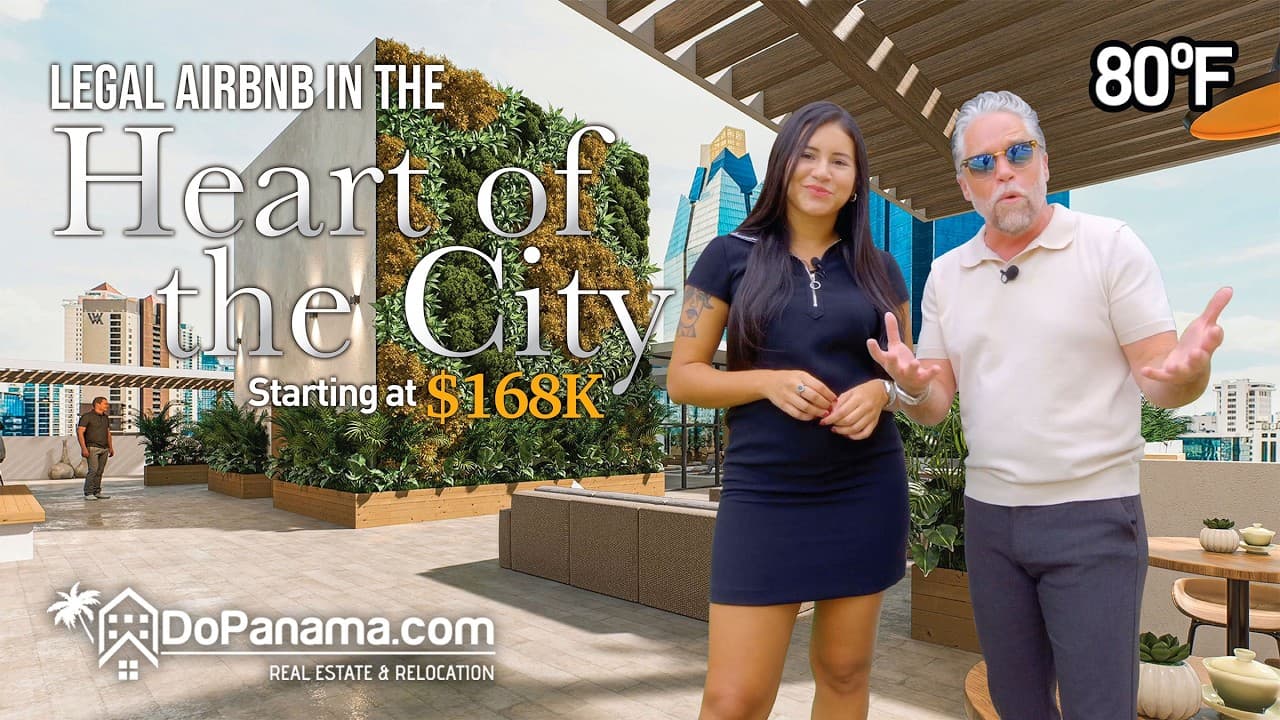
Located in the heart of Central America's most cosmopolitan capital, Uptown seamlessly integrates into the vibrant skyline of ...
Podcast🎙️ Pana’Gringo – Panama’s Favorite Podcast in English! 🇵🇦 Episode 10
Here is our latest PanaGringo podcast and in today's episode, we have the pleasure to talk with Gisselle Vargas, CEO of YPC ...