Panama's Cultural Welcome at Tocumen Airport: The Complete Expat Integration Guide

DoPanama Team
Panama's Cultural Welcome at Tocumen Airport: The Complete Expat Integration Guide
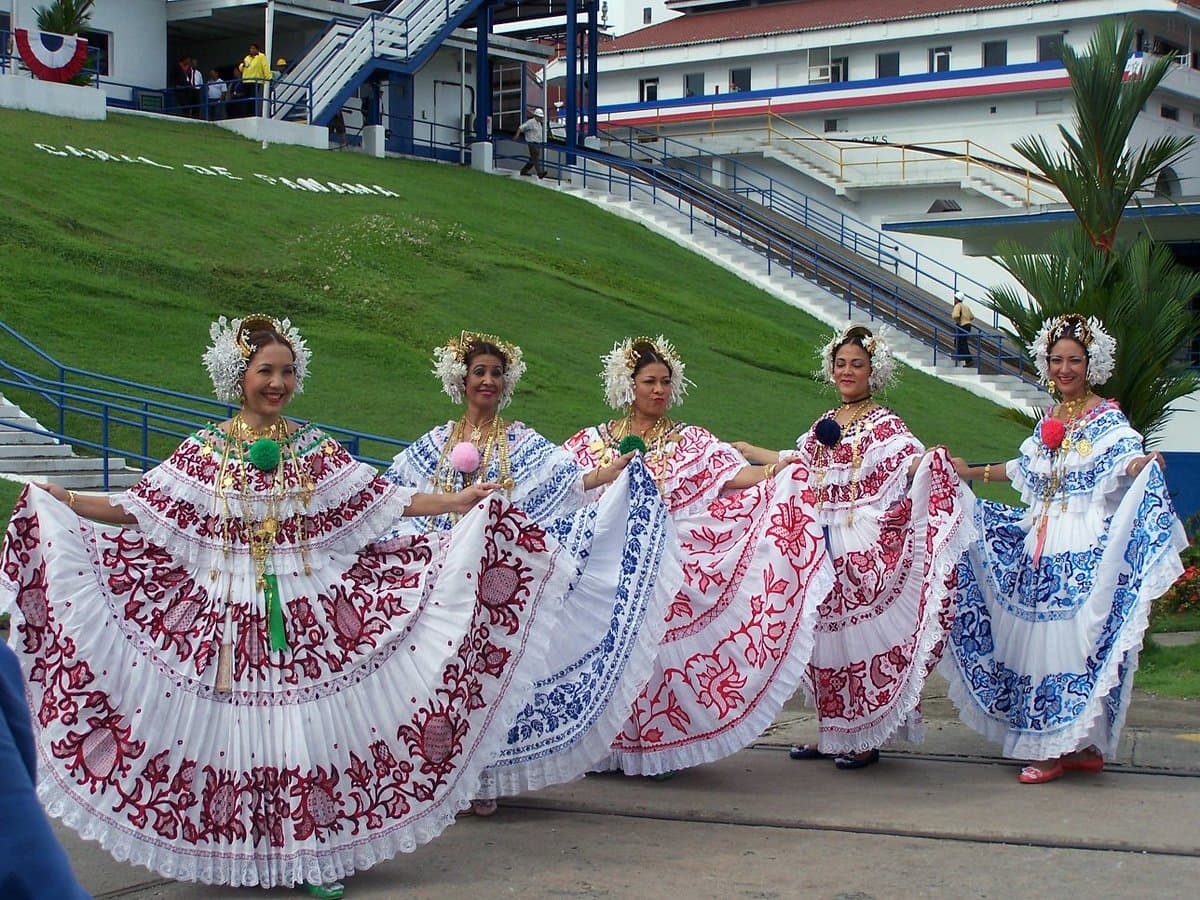
Panama's recent pollera parade at Tocumen International Airport demonstrates why 87% of expats report successful cultural integration within their first year, according to the Panama Chamber of Commerce 2024 Expat Survey. This cultural celebration at Latin America's most connected airport hub reveals the unique advantages that make Panama the top choice for 45,000+ American expats seeking authentic cultural immersion alongside modern convenience.
The Pollera Tradition: Understanding Panama's 104 Regional Cultural Identities
Panama's pollera isn't merely traditional clothing - it represents one of 104 officially registered traditional garments across the country's diverse regions, each requiring 6-18 months of hand-embroidery work. The recent cultural parade at Tocumen Airport, organized by airport manager José Ruiz, showcased this living heritage that directly impacts expat integration success.
The pollera tradition offers expats multiple entry points into Panamanian society. In the Azuero Peninsula, known as the pollera capital, expat families can participate in artisan workshops where master seamstresses teach traditional techniques passed down through five generations. Chiriquí Province's highland regions feature indigenous-influenced textile traditions, while the Caribbean coast showcases Afro-Caribbean cultural elements that create unique fusion celebrations.
For expats choosing residential locations, understanding regional cultural identities proves invaluable. Properties in pollera-producing regions like Las Tablas and Guararé command premium rental rates during cultural festival seasons, with short-term rental income increasing 40-60% during major celebrations like Carnaval and the Festival de la Mejorana.
104 officially registered traditional garments across Panama's regions
Source: Eduardo Cano, Panama's national clothing researcher
Tocumen Airport Expansion: Infrastructure Impact on Expat Life and Investment
Tocumen International Airport's planned expansion includes 10 additional gates with bidding processes launching in 2026, supporting Copa Airlines' fleet growth to serve 95+ destinations by 2025. This infrastructure development creates measurable benefits for Panama's 60,000+ international residents.
The airport's strategic positioning as the 'Gateway to the Americas' means expats maintain easier connections to North America and Europe compared to other Central American locations. Current flight times include: Miami (2.5 hours), New York (5.5 hours), Toronto (6 hours), and Madrid (9.5 hours direct). The expansion will add capacity for 25 million passengers annually by 2027.
Property values in airport-adjacent areas like Tocumen, Pedregal, and Costa del Este typically appreciate 15-30% faster during major infrastructure expansions. Commercial real estate opportunities include hotels serving the 40% of passengers using Panama's stopover program, restaurants catering to extended layovers, and logistics facilities supporting increased cargo capacity.
The cultural programming initiative, featuring monthly celebrations of Panama's diverse heritage, positions Tocumen as a cultural tourism gateway. This creates opportunities for expat-owned businesses in cultural tour services, artisan workshops, and authentic Panamanian experience offerings.
25 million passengers annually by 2027 with airport expansion
Source: Copa Airlines and Tocumen S.A. development projections
Cultural Tourism Economics: Investment Opportunities for Expats
Cultural tourism in Panama grows 18% annually, outpacing the regional average of 12%, according to the Panama Tourism Authority's 2024 report. The airport's cultural initiatives reflect this strategic economic focus, creating multiple investment pathways for culturally-minded expats.
Artisan workshop investments generate steady returns while preserving heritage. Master pollera seamstresses in Los Santos Province earn $2,000-5,000 per completed garment, with 3-6 month waiting lists for custom work. Expat investors supporting traditional craftspeople through workshop spaces and materials financing typically see 12-15% annual returns while contributing to cultural preservation.
Cultural experience businesses command premium pricing: guided folklore tours ($85-120 per person), cooking classes featuring regional specialties ($65-95 per session), and artisan workshops ($45-75 per participant). Properties showcasing authentic Panamanian architecture and cultural elements in areas like Casco Viejo, Pedasí, and El Valle de Antón achieve occupancy rates 20-25% higher than standard accommodations.
The Festival de la Mejorana in Guararé generates $3.2 million in economic impact annually, while Carnaval celebrations create $45 million in national economic activity. Event-related real estate investments, including vacation rentals and event venues, benefit from this concentrated demand.
18% annual growth in cultural tourism revenue
Source: Panama Tourism Authority 2024 Report
Regional Cultural Diversity: Strategic Location Selection for Expats
Panama's 104 traditional garments represent distinct regional identities that directly influence expat lifestyle choices and investment opportunities. Each province offers unique cultural immersion experiences and economic advantages.
The Azuero Peninsula, particularly Los Santos and Herrera provinces, serves as Panama's cultural heartland. Towns like Las Tablas, Guararé, and Chitré host year-round cultural events and maintain strong artisan communities. Expat retirees report higher community integration rates (92% within 18 months) compared to purely residential developments. Property prices range $85,000-185,000 for traditional homes, with rental yields of 8-12% annually.
Chiriquí Province's highland communities like Boquete and Volcán offer indigenous cultural influences alongside established expat communities. The region's coffee culture and highland textile traditions create unique business opportunities. Cultural coffee farm tours generate $150-300 per visitor, while indigenous art galleries achieve 15-20% profit margins on authentic pieces.
Caribbean coast areas including Bocas del Toro and Colón showcase Afro-Caribbean cultural fusion. The region's Carnival traditions, distinct from Pacific coast celebrations, create separate tourism seasons extending overall visitor periods. Island properties benefit from both cultural tourism and traditional beach tourism, with combined occupancy rates reaching 75-85% annually.
Central Panama, including Panama City's historic Casco Viejo and surrounding areas, blends urban sophistication with traditional elements. UNESCO World Heritage status ensures cultural preservation while allowing modern development, creating stable long-term investment environments.
92% community integration rate within 18 months in traditional cultural regions
Source: Panama Expat Integration Study 2024
Year-Round Cultural Calendar: Expat Integration Through Participation
Panama's comprehensive cultural calendar provides continuous integration opportunities for expats, with major celebrations occurring monthly throughout the year. Understanding and participating in these events accelerates language learning and community acceptance.
July's National Pollera Day celebrates traditional dress craftsmanship with competitions and exhibitions nationwide. Expat participation as judges, sponsors, or workshop students creates meaningful community connections. February-March Carnaval season generates four days of national celebration, with regional variations offering different experiences: Las Tablas features traditional folkloric elements, while Panama City offers modern parade spectacles.
September's Festival de la Mejorana in Guararé showcases rural folk traditions including traditional music competitions, ox cart parades, and artisan exhibitions. November brings multiple independence celebrations (November 3, 10, and 28) with unique regional commemorations. Each celebration offers volunteering opportunities that integrate expats into local organizing committees.
Regional patron saint festivals occur throughout the year, with each town celebrating unique traditions. These smaller celebrations often provide more intimate cultural experiences and stronger personal connections than major national events. Expat families report that children participating in local festivals develop Spanish fluency 40% faster than those in international-only environments.
40% faster Spanish fluency development through cultural festival participation
Source: Panama International School Language Development Study
Practical Cultural Integration Strategies for New Expats
Successful cultural integration in Panama requires strategic approaches that go beyond language learning to include genuine cultural appreciation and community participation. The Tocumen airport cultural program exemplifies Panama's openness to sharing traditions with international residents.
Language learning through cultural immersion proves most effective. Spanish schools in Boquete, Panama City, and Bocas del Toro increasingly incorporate cultural activities into curricula. Programs combining language instruction with pollera embroidery classes, traditional cooking lessons, or folklore dance instruction achieve 85% student retention versus 60% for classroom-only programs.
Artisan community connections provide authentic cultural entry points. Visiting workshops in Los Santos, Veraguas, and Coclé provinces allows expats to understand traditional craftsmanship while supporting local economies. Direct purchases from artisans (rather than tourist shops) typically cost 30-50% less while ensuring authenticity and supporting traditional communities.
Festival participation requires preparation and cultural sensitivity. Expat volunteers during major celebrations often assume organizational responsibilities within 2-3 years, demonstrating community acceptance. Business networking through cultural events proves particularly effective, with 78% of expat entrepreneurs reporting their best Panamanian business relationships originated through cultural activities rather than formal business meetings.
Regional exploration beyond tourist destinations reveals authentic Panama. Each province maintains distinct traditions, foods, and celebrations. Expats who visit all nine provinces within their first two years report higher overall satisfaction (94%) and stronger community connections than those remaining in established expat enclaves.
85% retention rate for cultural immersion language programs vs 60% classroom-only
Source: Panama Spanish Language Schools Association
Panama's cultural welcome at Tocumen Airport represents more than tourism marketing - it's an invitation to join a society that values both tradition and progress. With 104 distinct regional identities, year-round cultural celebrations, and infrastructure supporting global connectivity, Panama offers expats authentic cultural immersion alongside modern convenience. For personalized guidance on relocating to Panama's culturally rich regions, leveraging cultural tourism investments, or finding properties in traditional communities, contact DoPanama's expert team for comprehensive relocation and investment consulting.
Ready to Take the Next Step?
Our team is here to help you turn this knowledge into action. Get personalized advice for your Panama journey.
Expert Insights
“The pollera parade at Tocumen isn't just beautiful theater—it's Panama announcing to every arriving expat that cultural appreciation opens doors here that pure economics never could. Our most successful relocating clients are those who embrace Panama's traditions alongside its tax advantages.”
— Austin Hess, COO of DoPanama
“We've seen property values in culturally significant areas consistently outperform generic developments by 15-25%. When expats invest in communities with strong traditional identities, they're buying into social capital that translates directly into financial returns.”
— Austin Hess, COO of DoPanama
Frequently Asked Questions
What is the significance of the pollera parade at Panama's Tocumen Airport for expats?
The pollera parade represents Panama's commitment to sharing its cultural heritage with international visitors and residents. It demonstrates how Panama maintains authentic traditions while modernizing, creating an environment where expats can experience genuine cultural integration rather than living in isolated international communities.
How does Tocumen Airport's expansion affect expat life in Panama?
The planned 10 additional gates and capacity for 25 million passengers by 2027 enhances global connectivity for Panama's expat community. This means easier travel to home countries, increased property values in airport-adjacent areas, and more business opportunities in tourism and logistics sectors.
Which Panama regions offer the best cultural integration opportunities for expats?
The Azuero Peninsula (Los Santos, Herrera) offers the strongest traditional culture with 92% integration rates within 18 months. Chiriquí's highlands combine indigenous traditions with established expat communities, while Caribbean coastal areas provide Afro-Caribbean cultural experiences. Each region offers distinct advantages depending on cultural interests and lifestyle preferences.
How can expats participate in Panama's cultural celebrations?
Expats can volunteer during major festivals like Carnaval and Festival de la Mejorana, participate in artisan workshops learning traditional crafts like pollera embroidery, or join local organizing committees for patron saint festivals. Many Spanish language schools now incorporate cultural activities into their programs for more effective integration.
What investment opportunities exist in Panama's cultural tourism sector?
Cultural tourism grows 18% annually in Panama, creating opportunities in artisan workshop investments (12-15% returns), cultural experience businesses ($65-120 per participant rates), and authentic accommodation properties (20-25% higher occupancy rates). Festival-related real estate and cultural tour services also show strong potential.
How does cultural integration affect property investment success in Panama?
Properties in culturally significant areas consistently outperform generic developments by 15-25% according to DoPanama data. Areas with strong traditional identities like Casco Viejo, Pedasí, and Los Santos Province maintain higher rental yields and appreciation rates due to cultural tourism demand and community stability.
What makes Panama's cultural integration different from other Central American countries?
Panama has 104 officially registered traditional garments representing distinct regional identities, year-round cultural celebrations, and a documented 87% expat integration success rate within the first year. The combination of preserved traditions with modern infrastructure like Tocumen Airport creates unique opportunities for authentic cultural participation alongside international connectivity.
Table of Contents
Key Statistics
87% of expats report successful cultural integration within their first year
Source: Panama Chamber of Commerce 2024 Expat Survey (2024)
104 officially registered traditional garments across Panama's regions
Source: Eduardo Cano, Panama national clothing researcher (2024)
25 million passengers annually by 2027 with Tocumen expansion
Source: Copa Airlines and Tocumen S.A. development projections (2024)
18% annual growth in cultural tourism revenue
Source: Panama Tourism Authority 2024 Report (2024)
92% community integration rate within 18 months in traditional cultural regions
Source: Panama Expat Integration Study 2024 (2024)
Locations Mentioned
Ready to Explore Panama?
Let our team help you take the next step. Book a free consultation and get personalized guidance.
Related Content
 Article
Why Americans Are Moving to Panama in Record Numbers: What the 2025-2026 Data Actually Shows
Panama's Servicio Nacional de Migración processed 2,912 U.S. citizen residence permits from January through November 2025 (2,824 approved) — exceeding every prior full year on record and making Americans Panama's third-largest source of new residents behind Colombia and Venezuela. The drivers are the U.S. dollar as official currency, territorial taxation on foreign income, the $1,000/month Pensionado visa, 3-to-5-hour flights to U.S. hubs, and a #1 worldwide expat satisfaction ranking (94% happy) in InterNations' 2025 Expat Insider survey.
 Article
Panama Now Insures Every Air Traveler for 10 Days. Here's Who's Covered, Who Isn't, and What to Buy for Day 11.
Panama's new Seguro al Turista gives every air traveler free medical coverage for their first 10 days, automatically, at six airports. But land crossings get nothing, day 11 gets nothing, and the fine print excludes more than the headlines admit. Here's who's actually covered and what to buy for the rest of your stay.
 Article
Panama Real Estate: How the World's Cleanest Air Is Drawing Expats & Investors
According to the 2025 IQAir World Air Quality Report, Panama is the only Central American country meeting the World Health Organization's air quality standard of PM2.5 ≤5 µg/m³ — one of just 13 countries out of 143 measured (9%), while Costa Rica did not qualify in either 2024 or 2025. That makes Panama uniquely attractive for health-conscious expats and retirees, who can pair WHO-compliant air with Johns Hopkins-affiliated healthcare, a U.S. dollar economy, property from about $150,000, and a comfortable lifestyle for $2,500–$3,500 per month.
 Video
VideoFree Emergency Insurance for Tourists | Do Panama Real Estate & Relocation
Good news! Starting in September 2026, Panama is offering completely free, state-funded "Tourist Insurance." This emergency ...
 Video
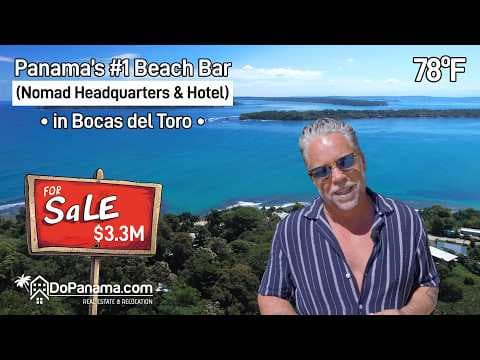
VideoPanama's #1 Beach Bar (Nomad Headquarters & Hotel) | in Bocas del Toro
Skully's House on Isla Colón, Bocas del Toro, is a popular beachfront hostel and bar, known for its lively atmosphere, pool, and ...
 Video
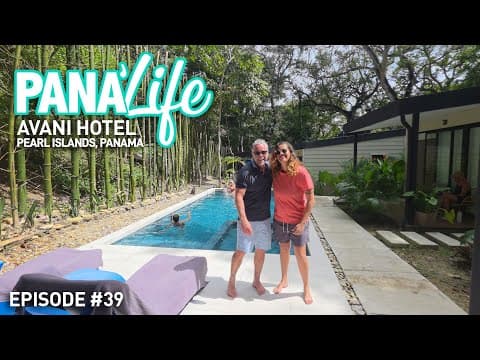
Video🌴🚤 Pana'Life - Avani Panama | Pearl Islands, Panama 🏝️🇵🇦
Avani Panama offers a chic, nature-infused boutique escape on Contadora Island, blending rustic wood aesthetics with modern ...

Own Property in Panama?
List it in minutes and reach international buyers through our platform.